








Common Sense Media Review
 By Melissa Camacho
,
based on child development research. How do we rate?
By Melissa Camacho
,
based on child development research. How do we rate?
Mature content, themes in edgy stereotype-challenging show.
Parents Need to Know
Why Age 15+?
Any Positive Content?
Where to Watch
Videos and Photos

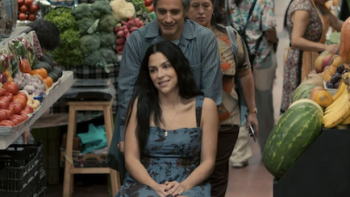

Santita

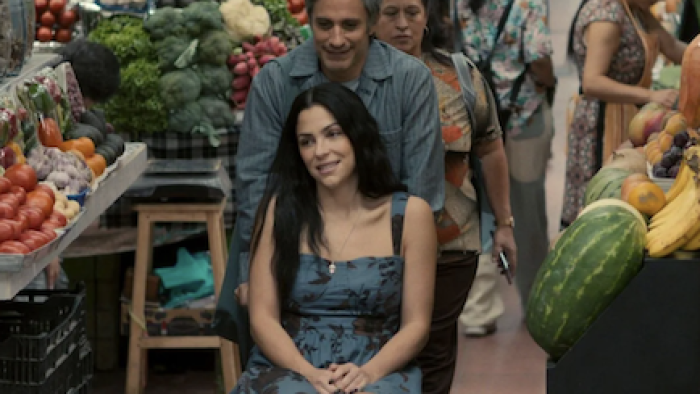

Parent and Kid Reviews
What's the Story?
SANTITA is a Mexican dramatic comedy about a chaotic Tijuana-based doctor who experiences an emotional upheaval after running into her former lover. Twenty-year-old medical student María José Cano, aka "Santita" (Paulina Dávila) left her fiancé Alejandro (Gael García Bernal) at the altar after a devastating car accident confined her to a wheelchair. Two decades later, Santita is a talented and successful OB/GYN with a private medical practice. Unfortunately, her business is barely able to stay afloat because, much to the chagrin of her bookkeeper Alma (Sally Quiñonez), she frequently provides women from low-income backgrounds with free medical services, ranging from delivering babies to illegal abortions. Outside of medicine, the independent and spirited Santita remains emotionally detached, and spends most of her free time drinking excessively, gambling, and having casual relationships in hope of finding the sexual satisfaction she hasn't enjoyed since breaking off her engagement. It's a reckless lifestyle, but when Santita unexpectedly runs into Alejandro after treating his wife Cecilia (Ilse Salas), her feelings for him re-emerge. But navigating their reconnection is complicated and not without serious consequences.
Is It Any Good?
The black comedy offers a romantic storyline that is both unorthodox and mildly disturbing. Santita is portrayed as an extremely independent, intelligent, and flawed woman with a sharp wit and generous nature when it comes to her patients, but she's constantly at odds with her colleagues and her family thanks to her unwillingness (or inability) to stop herself from going down self-destructive paths. The fact that Santita is in a wheelchair simply makes her more interesting; all of this make her a complicated character who refuses to admit that she's searching for something that will bring her real happiness. However, she often comes across as a self-indulgent narcissist who revels in the chaos she helps create. It's an unconventional narrative, but as Santita becomes more unsettled by Alejandro's presence, the plot turns begin to feel more familiar and predictable. Nonetheless, Santita is still worth the watch if you're looking for some edgy entertainment (and mature enough to handle it).
Talk to Your Kids About ...
Families can talk about how media portrays disability. Does it rely on stereotypes? Are there specific disabilities that are consistently misrepresented or ignored?
Santita means "little saint" in Spanish. Why is this name significant given the story presented here?
TV Details
- Premiere date : April 22, 2026
- Cast : Paulina Dávila , Gael Garcia Bernal , Ilse Salas
- Network : Netflix
- Genre : Drama
- Topics : Family Stories ( Dads , Siblings ) , Friendship
- Character Strengths : Compassion
- TV rating :
- Last updated : April 29, 2026
Did we miss something on diversity?
Research shows a connection between kids' healthy self-esteem and positive portrayals in media. That's why we've added a new "Diverse Representations" section to our reviews that will be rolling out on an ongoing basis. You can help us help kids by
Suggest an Update
Common Sense Media's unbiased ratings are created by expert reviewers and aren't influenced by the product's creators or by any of our funders, affiliates, or partners.
See how we rate