







Common Sense Media Review
 By Melissa Camacho
,
based on child development research. How do we rate?
By Melissa Camacho
,
based on child development research. How do we rate?
'90s icon mixes spirituality, mature themes, stereotypes.
Parents Need to Know
Why Age 13+?
Any Positive Content?
Where to Watch
Videos and Photos




Suave Says


Parent and Kid Reviews
What's the Story?
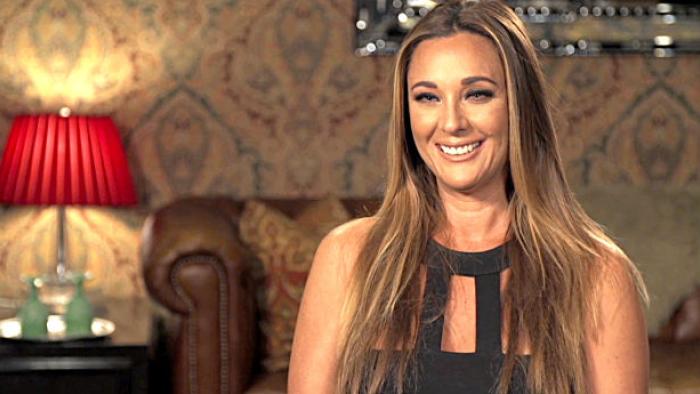
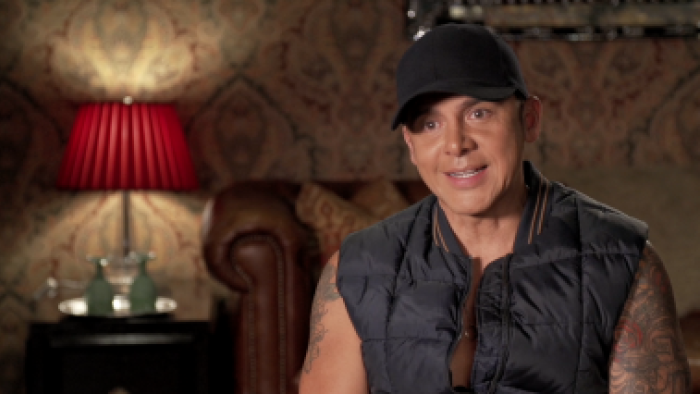
SUAVE SAYS is a reality series featuring '90s singer and one-hit-wonder Gerardo Mejía as he works to rebuild his marriage and family. After 20 years of marriage plagued by his infidelity and other family problems, the former singer-turned-recording exec and lay preacher is now committed to living a better life with his wife Kathy, and his children, Bianca, Nadia, and Jaden. His intrusive mother Myrtha also lives close by. From publicly talking about his former transgressions during prayer gatherings, to getting a handle on the fact that his children are growing up, Mejia has faith in the healing process, and believes that it is bringing them closer together.
Is It Any Good?
The voyeuristic series focuses on how the former singer is attempting to assert his position as the family patriarch, which he believes is a part of his Latino heritage. He also uses this platform to discuss his former womanizing ways, and, more subtly, how finding God has helped him change. This is all offered within the context of trying to be a better person, building a stronger relationship with his wife and children, and love.
Mejía's desire to speak publicly in church and in the media about his past transgressions, regardless of how it negatively impacts his wife and children, makes him seem narcissistic and self-centered. Using his culture as a way of defending his sexist behavior doesn't send great messages, either. Watching this just leaves you with the sense that Gerardo is desperately trying to make himself relevant again.
Talk to Your Kids About ...
Families can talk about the reasons why people may choose to air their problems on a reality show. Is it for the attention? Money? Fame? Can your problems really get better if you talk about them so publicly?
Is it ever appropriate to use stereotypes as a way of defending your behavior or the behavior of others? Why? What if the generalization seems to have a hint of truth to it?
TV Details
- Premiere date : December 3, 2014
- Cast : Gerardo Mejía , Kathy Mejía , Bianca Mejía
- Network : VH1
- Genre : Reality TV
- TV rating :
- Last updated : December 10, 2025
Did we miss something on diversity?
Research shows a connection between kids' healthy self-esteem and positive portrayals in media. That's why we've added a new "Diverse Representations" section to our reviews that will be rolling out on an ongoing basis. You can help us help kids by
Suggest an Update
Common Sense Media's unbiased ratings are created by expert reviewers and aren't influenced by the product's creators or by any of our funders, affiliates, or partners.
See how we rate