







Common Sense Media Review
 By Jenny Nixon
,
based on child development research. How do we rate?
By Jenny Nixon
,
based on child development research. How do we rate?
Spotty docuseries is a mixed bag of laughs and dark themes.
Parents Need to Know
Why Age 16+?
Any Positive Content?
Where to Watch
Videos and Photos




The Comedy Store


Parent and Kid Reviews
What's the Story?
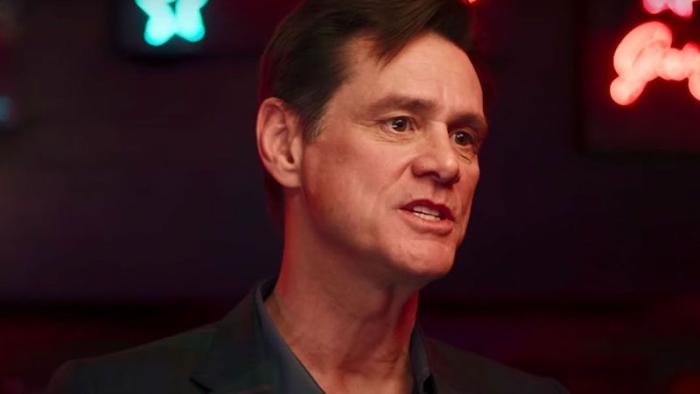
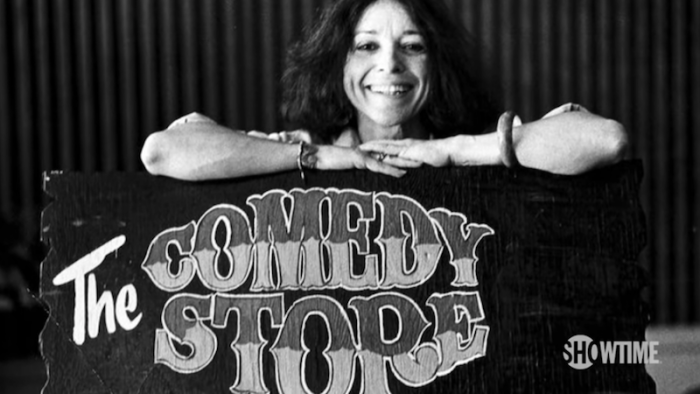
THE COMEDY STORE finds ex-standup Mike Binder, now a writer/director, returning to his roots at the eponymous and notorious Los Angeles club where countless comics developed their acts (and for some, went on to stardom). The mini-series spans several decades in The Comedy Store's history and features chatty interviews with stars like David Letterman, Jim Carrey, Whoopi Goldberg, Howie Mandel, Joe Rogan, and more, interspersed with archival footage and photographs. There's a lot of focus on the way the club's beloved owner Mitzi Shore -- who gained ownership of the space as part of her 1972 divorce settlement with longtime husband, comedian Sammy Shore -- could make or break a comic's career, and on how performing there continues to be a covetable gig even to this day, beyond her death.
Is It Any Good?
Though the docuseries features many funny moments and entertaining stories told by showbiz legends, it lacks any real narrative focus or through-line -- and worse, showcases a real lack of depth. Of course it's a treat to see footage of stars like Michael Keaton (a former standup, believe it or not!) back in the day, and to hear their recollections of that time. But Binder just isn't a great interviewer, and his obvious affection for the subject and personalities involved makes The Comedy Store come across more like the work of an ardent fanboy than the insightful and probing documentary it could have been. It may be that he's just too close to it, but to go to the trouble of making five hour-long episodes without ever painting a full or nuanced picture of the complicated woman who owned it -- not to mention the folks who performed at the club -- is a missed opportunity, period.
The series also skews overwhelmingly white and male. Sure, perhaps some of that can be chalked up to who was being invited to perform at the club in those days -- a visibly irritated Damon Wayans recalls bowing out of appearing there when Shore wanted him to play the "Pepper" in a "Salt and Pepper" themed act with a white guy -- but it's still a bummer seeing the show almost go out of its way not to address the racism, sexism, and homophobia afoot not just at The Comedy Store but in stand-up culture at large. Raunchy shock comic Andrew Dice Clay is profiled, and Binder tacitly accepts his explanation of his "character" at face value: that the "Dice Man" was in fact a send-up of toxic masculinity. Not sure the crowds who laughed at his slur-laden arena shows felt the same way, but Binder doesn't dare dig into that. It's also wild that publicly disgraced comedian Louis CK (who admitted in 2017 to engaging in sexual misconduct against women in his field) is invited to rhapsodize about the good old days without the slightest mention of his brush with scandal -- it's just Binder and CK, laughing it up. It seems as though this series is aimed at a certain audience, and it's not women.
If all the show tried to be was a yuk-fest, that would be one thing, but it shifts gears and occasionally tries to go deep, with segments about depression and suicide. It's just so haphazard and sloppy in its approach and tone that it never really adds up to much after all is said and done. Comedy diehards will definitely enjoy the archival footage and banter between Binder and the stars he profiles, but for casual fans, The Comedy Store may be a bit of a slog.
Talk to Your Kids About ...
Families can talk about the predisposition many comics seem to have toward depression and anxiety. Is comedy an effective coping mechanism? Why do some humorists seem to succumb to their darker sides, while others channel it into success?
Families can talk about different styles of humor. Some comedians keep things family-friendly, while others get raunchy when discussing topics like sex and drugs. Is it funnier when an act is tame or edgy?
TV Details
- Premiere date : October 4, 2020
- Cast : Whoopi Goldberg , Marc Maron , Andrew Dice Clay , Whitney Cummings , Jim Carrey , Damon Wayans , Iliza Shlesinger , Howie Mandel , Chris Rock
- Network : Showtime
- Genre : Reality TV
- TV rating :
- Last updated : October 21, 2022
Did we miss something on diversity?
Research shows a connection between kids' healthy self-esteem and positive portrayals in media. That's why we've added a new "Diverse Representations" section to our reviews that will be rolling out on an ongoing basis. You can help us help kids by
Suggest an Update
Common Sense Media's unbiased ratings are created by expert reviewers and aren't influenced by the product's creators or by any of our funders, affiliates, or partners.
See how we rate