






Common Sense Media Review
 By Emily Ashby
,
based on child development research. How do we rate?
By Emily Ashby
,
based on child development research. How do we rate?
Focus on character development bolsters likable reboot.
Parents Need to Know
Why Age 8+?
Any Positive Content?
Where to Watch
Videos and Photos


The Powerpuff Girls (2016)
Parent and Kid Reviews
Based on 17 parent reviews
Parents say the reboot suffers from weak storylines, poorly developed characters, and a significant departure from the charm of the original series, with many citing it as a poor mockery rather than a true continuation. While some appreciate the animation style and occasional moral lessons, the general consensus is that it fails to capture the essence of the beloved original, leaving viewers disappointed.
- poor character development
- weak storylines
- fails to capture essence
- disappointing reboot
- animation criticism
 Summarized with AI
Based on 41 kid reviews
Kids say the reboot of a beloved classic fails to capture the charm of its predecessor, with many viewers criticizing the poor writing, changed character dynamics, and inappropriate humor, including scenes that involve twerking. Despite a few fans who appreciate the updated style and some engaging episodes, the overwhelming sentiment expresses disappointment and a strong preference for the original series, as the reboot has strayed too far from what made it special.
- poor writing
- character changes
- inappropriate humor
- preference for original
- disappointing reboot
Summarized with AI
What's the Story?
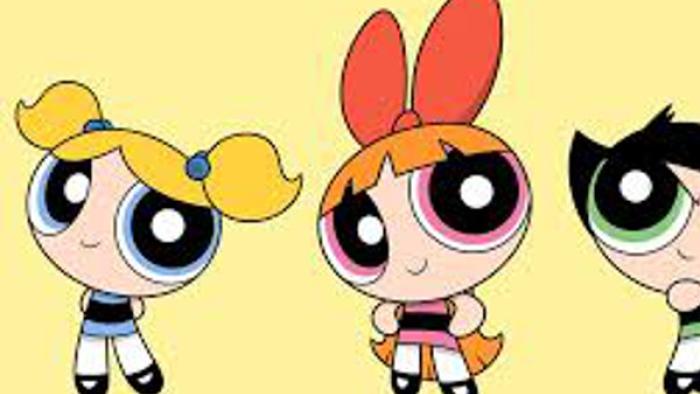
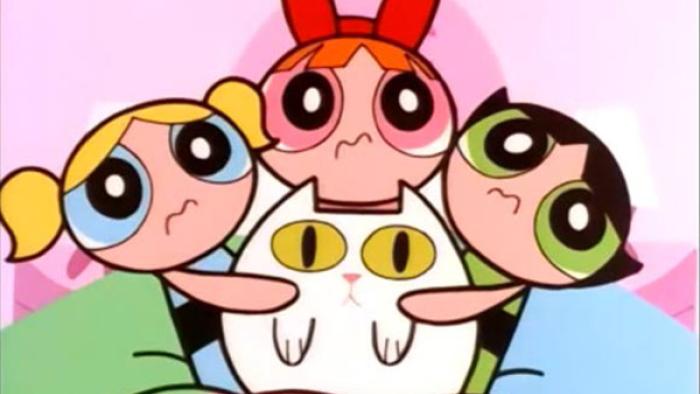
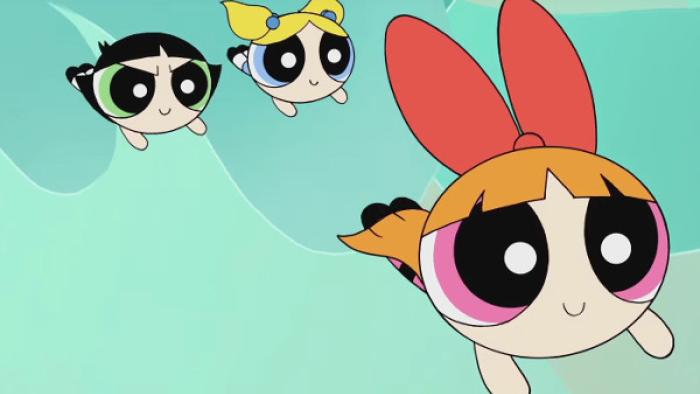
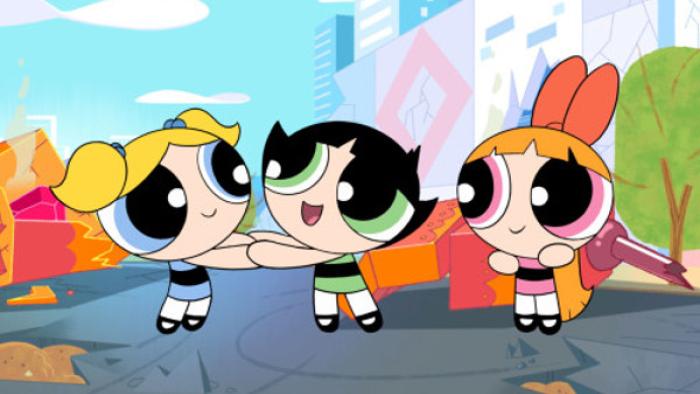
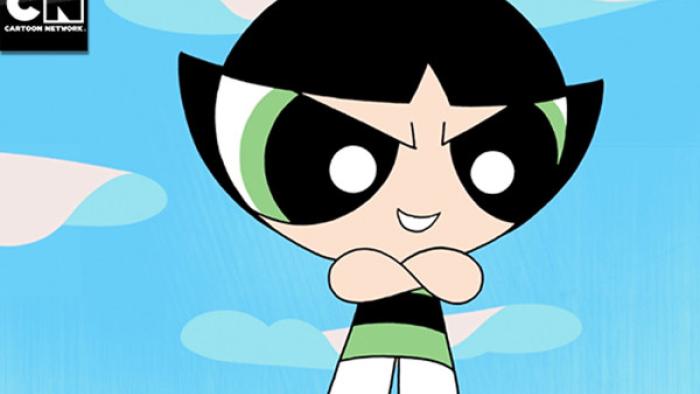
Pint-size peacekeepers Buttercup (voiced by Natalie Palamides), Blossom (Amanda Leighton), and Bubbles (Kristen Li) return to their villain-trouncing ways in THE POWERPUFF GIRLS. The young heroines have their fingers on the proverbial pulse of Townsville, and when trouble -- in the form of Mojo Jojo (Roger L. Jackson), Princess Morbucks (Haley Mancini), and a handful of other rabble-rousers -- comes to call, they're quick to jump into action to defend their hometown. When they're not duking it out with villains, they're going to school, playing with peers, and developing their unique identities, which usually raises some interpersonal challenges for them as well.
Is It Any Good?
This reboot charts a slightly different course for these much-loved characters than did previous series, splitting its focus between their roles as heroines and their development as regular kids. Each story still sees them sucker-punching the baddy of the day (don't worry, they're not going soft), but there's always another angle that follows one of them through a more personal trial of some kind. This makes their antics a lot more palatable -- at least from a parent's point of view -- because there are some decent examples of friendship, self-identity, and forgiveness in the girls' relationships.
The Powerpuff Girls benefits from sharp animation that improves on their original images and a revolving door of comically evil villains who always manage to be foiled by three grade-schoolers. There's a strong current of "Anything you can do, I can do better" running through the stories, and that means that in Townsville, size certainly doesn't matter. Kids will come for the characters' wacky adventures, but they'll stay for their larger-than-life personalities.
Talk to Your Kids About ...
Families can talk about how this show mixes violence with positive messages. Does the fighting ever seem realistic, or is it meant to be funny? In either case, how can you tell? Does the fact that there is violence overshadow what positive content there is, especially in the Powerpuff Girls' personal lives?
Kids: Is it as easy to separate good and bad in real life as it is in cartoons such as this one? What family and/or school rules do you have that are meant to help keep you safe? In contrast, by what rules do the Powerpuff Girls live? Would these work in the real world?
Are Blossom, Buttercup, and Bubbles good role models for kids? For girls in particular? Is violence always their answer to every problem? How do they communicate their feelings to each other to resolve issues that affect their relationship?
TV Details
- Premiere date : April 4, 2016
- Cast : Amanda Leighton , Kristen Li , Natalie Palamides
- Network : Cartoon Network
- Genre : Kids' Animation
- Topics : Fantasy ( Magic ) , Superheroes , Family Stories ( Siblings )
- TV rating :
- Last updated : January 2, 2026
Did we miss something on diversity?
Research shows a connection between kids' healthy self-esteem and positive portrayals in media. That's why we've added a new "Diverse Representations" section to our reviews that will be rolling out on an ongoing basis. You can help us help kids by
Suggest an Update
Common Sense Media's unbiased ratings are created by expert reviewers and aren't influenced by the product's creators or by any of our funders, affiliates, or partners.
See how we rate