







Common Sense Media Review
 By Joyce Slaton
,
based on child development research. How do we rate?
By Joyce Slaton
,
based on child development research. How do we rate?
Violent medieval monster mayhem is mature fun, has nudity.
Parents Need to Know
Why Age 17+?
Any Positive Content?
Where to Watch
Videos and Photos


The Witcher
Parent and Kid Reviews
Based on 23 parent reviews
Based on 52 kid reviews
Kids say the show is visually stunning and features an engaging plot and characters, but it carries significant mature content including graphic violence, nudity, and sexual themes, making it unsuitable for children. Many viewers recommend it for mature teens or adults, cautioning parents to consider their child’s maturity before allowing them to watch.
- visuals and plot
- mature content
- graphic violence
- unsuitable for children
- parental discretion
 Summarized with AI
What's the Story?
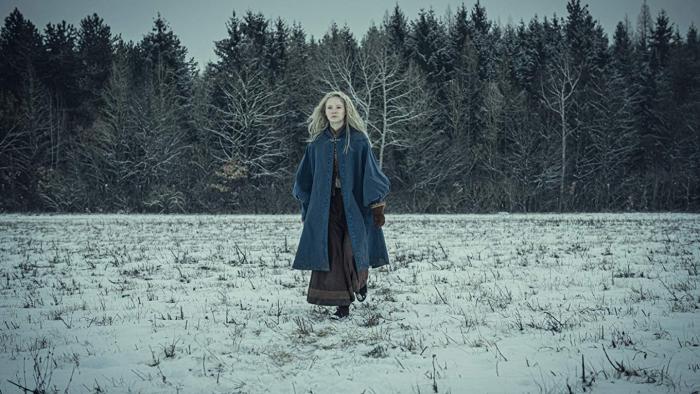
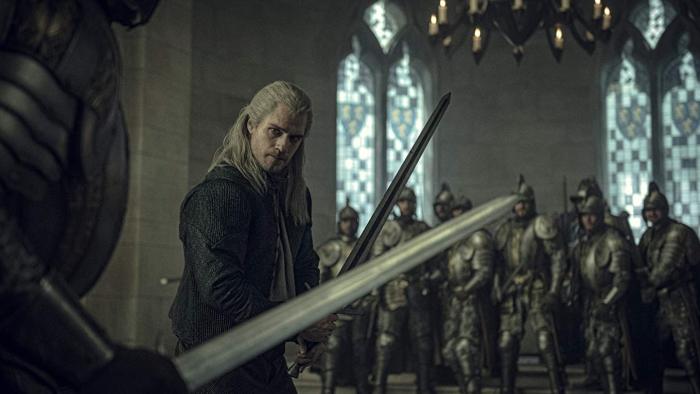
Based on the game series of the same name (but relating a story not told in any of the game's versions) which was itself based on a series of books, THE WITCHER revolves around a magical world in which witchers -- genetically enhanced humans -- have special monster-slaying powers. They were once a common sight, but now Geralt of Rivia (Henry Cavill) is one of the last of his kind, despised by the villagers of the towns he travels through on monster-killing missions. His only wish is to endure and survive as simply as possible, but when an unreliable magician Stregobor (Lars Mikkelsen) lures him to his lair to enlist his help in a scheme to wipe out a possibly cursed generation of girls born after an unusual eclipse, he runs afoul of forces both magical and political just as an Elf revolution is brewing. Meanwhile, Ciri (Freya Allan), a deposed princess with mysterious powers, is on the run after her kingdom was invaded by soldiers who seem bent on capturing her, and downtrodden teen Yennefer (Anya Chalotra) painfully learns the ways of magic from mysterious sorceress Tissia (MyAnna Buring).
Is It Any Good?
With its medieval magical vibe and complex fantastical storytelling, this arresting drama reads like a Game of Thrones knockoff, but darned if it doesn't actually cast a spell. In a genre that often comes off as thunderingly self-important (is there a weapon or person or geographic location without a vainglorious three-word name in the Lord of the Rings trilogy?), The Witcher's greatest bit of daring is to treat its epic storytelling with a big dash of irony. The puffery-puncturing vibe arrives early, as Henry Cavill's square-jawed smirks make it clear that both actor and character recognize and relish the ridiculousness of monsters and long velvet cloaks and lone swordsmen doomed to roam from town to town on grim missions. But things really kick into gear in the second episode, when Joey Batey shows up as the ebullient bard Jaskier, more or less the comic-relief Donkey to Geralt's Shrek.
What a wonderful character Jaskier is: swishy, mouthy, and relentlessly roughhousing, he joyfully undercuts the solemnity of The Witcher's battles and political drama, often by economically summing up what's taken place in dialogue or song. In an early scene, just after delivering a bit of grievous Elf history, he says "There I go again, just delivering exposition." Ha! It's funny because it's true. Speaking of said Elves, their part of the story gives welcome depth: humans pushed them off their ancestral lands and now they fight relentlessly to keep the tattered remnants of their once-mighty tribe together -- and if that puts viewers in mind of Native people in North America, well, that's no doubt part of the message in a drama which is both entertainingly easy to watch and satisfyingly aligned with the underdogs of its world.
Talk to Your Kids About ...
Families can talk about why dramas with elements of magic and (fictional) history seem to be having a bit of a moment. What others can you name? What show do you think started the trend? What about this particular genre seems particularly suited to telling stories modern viewers enjoy watching?
One common criticism of "sword and sorcery" type narratives is that they center the experience of male characters, with female characters given short shrift. Is that the case in The Witcher? Do female characters have meaty storylines with agency or are they cast in supportive roles? Given that game culture tends to skew male (but that games like The Witcher have a larger female audience), how surprising is it that this series has a male main character but also strong female characters?
How do the characters in The Witcher demonstrate teamwork, perseverance, and courage? Why are these important character strengths?
TV Details
- Premiere date : December 18, 2019
- Cast : Henry Cavill , Freya Allen , Joey Batey
- Network : Netflix
- Genre : Drama
- Character Strengths : Courage , Perseverance , Teamwork
- TV rating :
- Last updated : October 9, 2025
Did we miss something on diversity?
Research shows a connection between kids' healthy self-esteem and positive portrayals in media. That's why we've added a new "Diverse Representations" section to our reviews that will be rolling out on an ongoing basis. You can help us help kids by
Suggest an Update
Common Sense Media's unbiased ratings are created by expert reviewers and aren't influenced by the product's creators or by any of our funders, affiliates, or partners.
See how we rate