








Common Sense Media Review
 By Melissa Camacho
,
based on child development research. How do we rate?
By Melissa Camacho
,
based on child development research. How do we rate?
Moral questions in gripping, complicated Israeli thriller.
Parents Need to Know
Why Age 14+?
Any Positive Content?
Where to Watch
Videos and Photos
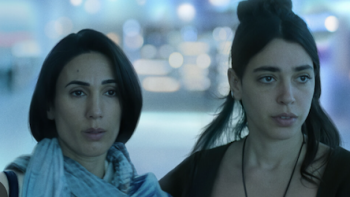


Unconditional
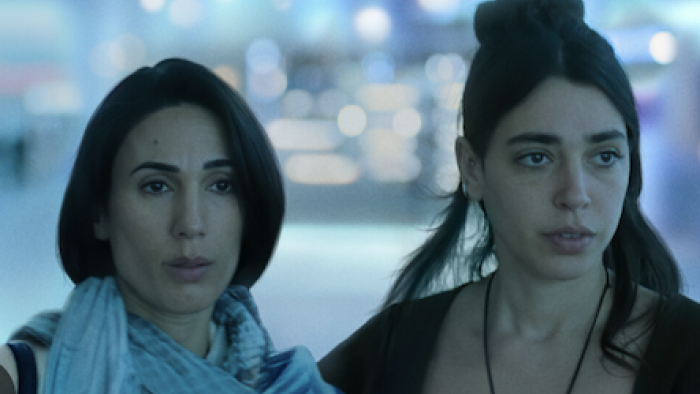


Parent and Kid Reviews
What's the Story?
The Israeli series UNCONDITIONAL is a high-stakes thriller about a mother doing everything she can to secure the release of her adult daughter from a Russian prison after she's accused of drug smuggling. Gali (Ronn Talia Lynne), age 23, has finished her military service and, like many others her age, is backpacking throughout Southeast Asia. Her mother, Orna (Liraz Chamami), takes a much-needed break from caring for Gali's father, Benni (Yossi Marshek), who has early-onset dementia, and joins her for a two-week trip to India. When their trip ends and they're about to board their plane to Tel Aviv after a long layover in Moscow, the two women are abruptly detained and separated. Orna is released hours later and learns that Gali has been sent to a city jail after allegedly being caught with drugs. Convinced that her daughter is innocent, she immediately does everything she can in Moscow to secure her release. But the Russian criminal justice system is both complicated and corrupt, and little can be done without the help of the Israeli government. Meanwhile, Orna begins to suspect that her daughter got involved in something dangerous during her travels. As she tirelessly works to generate public support for Gali's release and consult with the Israeli foreign ministry, Orna quietly begins reaching out to people who might be able to help her figure out what really happened.
Is It Any Good?
The entertaining and largely improbable thriller follows a mother doing everything she can to secure her daughter's release from a foreign prison despite the fact that she may not be completely innocent. Told from Orna's point of view, Unconditional uses a combination of flashbacks and good narrative pacing to help viewers keep up with her discovery process as she pieces together details about Gali's life before she was arrested. Meanwhile, despite the series' producers claim that the series is completely fictional, Unconditional leans heavily into the stories about Israeli American backpacker Naama Issachar, U.S. basketball player Brittney Griner, and others detained and convicted by the Russian courts of drug trafficking after carrying cannabis products into the country from places where it's legal. Without mentioning specific names or events, the series also contextualizes a lot of what happens within Israel's domestic and foreign political climate. But it successfully maintains its focus on Orna's difficult and mostly solitary journey, during which she's forced to think about the moral implications of her daughter's activities and the unconditional love that drives her to fight for her freedom. It's a complicated story world, and one in which certain details and plotlines aren't always fully fleshed out. But these flaws don't prevent Unconditional from being an enjoyable and gripping watch.
Talk to Your Kids About ...
Families can talk about the way the Russian and Israeli governments are portrayed in the series. Does one appear more reliable or trustworthy than the other? Why, or why not?
How much of Unconditional is based on real events? Can it be considered a work of fiction if there are many similarities to things that have happened in real life?
TV Details
- Premiere date : May 8, 2026
- Cast : Liraz Chamami , Ronn Talia Lynne
- Network : Apple TV
- Genre : Drama
- Topics : Family Stories ( Moms )
- TV rating :
- Last updated : July 9, 2026
Did we miss something on diversity?
Research shows a connection between kids' healthy self-esteem and positive portrayals in media. That's why we've added a new "Diverse Representations" section to our reviews that will be rolling out on an ongoing basis. You can help us help kids by
Suggest an Update
Common Sense Media's unbiased ratings are created by expert reviewers and aren't influenced by the product's creators or by any of our funders, affiliates, or partners.
See how we rate