







Common Sense Media Review
 By Marina Gordon
,
based on child development research. How do we rate?
By Marina Gordon
,
based on child development research. How do we rate?
Mature, complicated docuseries; drugging, rape, bravery.
Parents Need to Know
Why Age 15+?
Any Positive Content?
Where to Watch
Videos and Photos
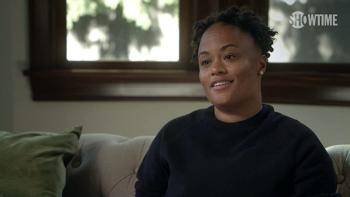

We Need to Talk About Cosby
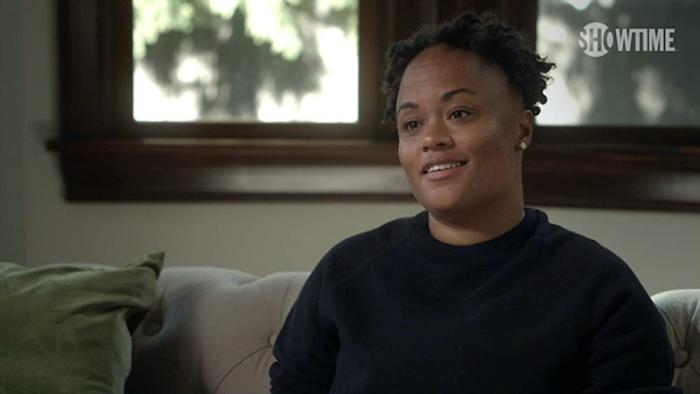
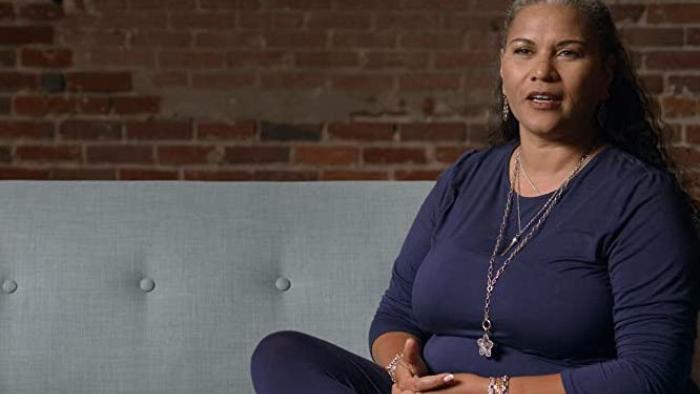
Parent and Kid Reviews
What's the Story?
In four episodes, WE NEED TO TALK ABOUT COSBY traces Cosby's history in entertainment and the sexual abuses that tracked along with his popularity and high social standing. We see his nearly overnight rise to stardom in the early 1960s as a standup comedian then star of I Spy, his focus on kids' shows (Fat Albert, Electric Company), and his career-culminating, barrier-breaking Cosby Show, which was the No. 1 TV series in the U.S. for five years running (back when that really meant something). All through those years, Cosby was simultaneously using his position to get women to trust him; he'd then drug and sexually abuse them, at least 60 women now say on the record. Host W. Kamau Bell, who considered Cosby a hero, interviews some of Cosby's accusers, a handful of colleagues from over the years, and acclaimed writers.
Is It Any Good?
It's hard to imagine this docuseries in better hands -- or even other hands -- than W. Kamau Bell's. To the millions who grew up with Cosby as a familiar, respected performer and spokesman, the revelation that he was a serial rapist was shocking but not world changing. For Bell, and for many in the African American community, the accusations from dozens of women were like hearing about a beloved family member. As a Black child growing up in the 1970s and '80s, Bell thrilled to see Fat Albert, then The Cosby Show; he delighted that Cosby become "America's Dad" as he celebrated Black culture. Even as he researched the docuseries, Bell learned more about Cosby's influence, the good he did in the industry and for the Black community. All of which made the reality of Cosby's crimes the more bitter -- how could one man do this much good and do this much evil?
Cosby's defenders don't get equal time here; Bell unequivocally believes the survivors, and some of the most damning evidence against Cosby, both in the court of public opinion and in this documentary, is the sheer number of women who have told chillingly similar stories across decades. Using tremendously effective multimedia timelines that include audio, video, and still photos, Bell shows that as Cosby was being lauded for his many successess he was drugging and raping women, so many women. Holding those truths simultaneously is uncomfortable for Bell, for those who grew up with Cosby, and for the industry that shielded him.
Talk to Your Kids About ...
Families can talk about the contradictions between Cosby's public persona and alleged abuses. How do you think his standing in society and popular culture affected his access to women and believability?
Why does it seem to be easier for famous person to advantage of people? Do you think there are different rules for celebrities?
TV Details
- Premiere date : January 30, 2022
- Cast : W. Kamau Bell , Godfrey , Gloria Allred
- Network : Showtime
- Genre : Reality TV
- TV rating :
- Last updated : February 17, 2022
Did we miss something on diversity?
Research shows a connection between kids' healthy self-esteem and positive portrayals in media. That's why we've added a new "Diverse Representations" section to our reviews that will be rolling out on an ongoing basis. You can help us help kids by
Suggest an Update
Common Sense Media's unbiased ratings are created by expert reviewers and aren't influenced by the product's creators or by any of our funders, affiliates, or partners.
See how we rate