






Common Sense Media Review
 By Melissa Camacho
,
based on child development research. How do we rate?
By Melissa Camacho
,
based on child development research. How do we rate?
Drag queens empower in bawdy, uplifting reality series.
Parents Need to Know
Why Age 15+?
Any Positive Content?
Where to Watch
Videos and Photos


We're Here
What's the Story?
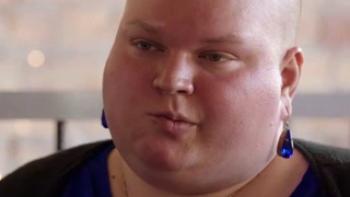
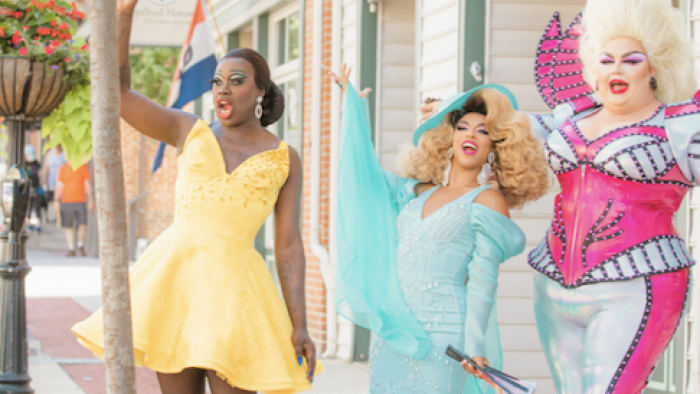
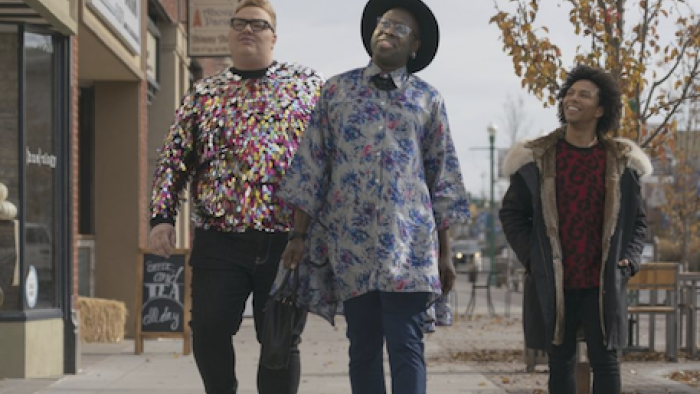
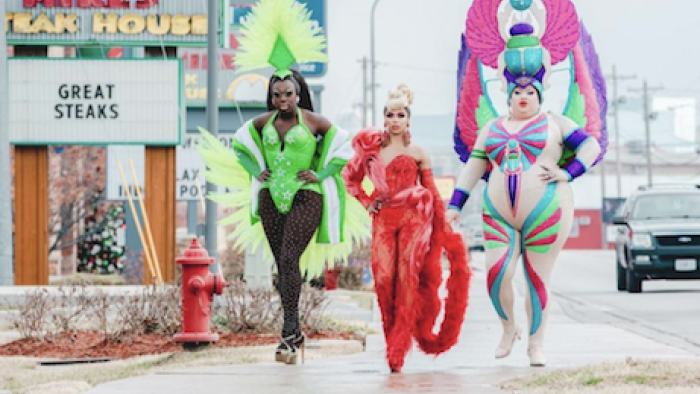
WE'RE HERE is an unscripted series that follows a trio of drag entertainers as they help empower members of the LGBTQ+ community living in small towns and cities across America. Former RuPaul's Drag Race contestants Bob The Drag Queen, Eureka O'Hara, and Shangela Laquifa Wadley travel to places like Gettysburg, Pennsylvania; Harrisburg, New Mexico; and Branson, Missouri to put on a one-time-only live drag show. After making a colorful entrance into the area, they meet up with a handful of local residents who have agreed to be their "drag daughters" and be part of the performance. In between wig fittings and rehearsals in high heels, the drag daughters, along with their families and friends, share some of the difficult challenges they've faced as members (or allies) of the LGBTQ+ community in their small, conservative localities. But when it's time to take the stage, they perform in full drag and show off their style to a welcoming audience.
Is It Any Good?
This uplifting series uses drag performance to promote messages of empowerment and acceptance to LGBTQ+ members and their allies, as well as to those who may not be as receptive. It's fun watching the professional drag queen trio work with participants to physically transform them into glitzy, glammed up, lip-syncing performing women with larger-than-life personalities. But We're Here is also a process of inner-transformation. The experience gives many participants a sense of community and safety, which bolsters their confidence and encourages them to continue being true to themselves while living in places where they feel invisible or unwelcome. The opportunity to perform in drag also offers them a chance to learn more about themselves, the LGBTQ+ community, and what tenets they want to live by going forward.
It's full of positive vibes, but it also makes room for discussions of difficult topics, like suicide and being rejected by loved ones with conservative beliefs. It doesn't let viewers forget the prejudice people in the LGBTQ+ community often face, and the isolation they feel in smaller communities. The cast even makes a point (albeit humorously) of creating a safe space where they can be themselves at each location, the need for which is underscored by some of the bigoted reactions caught on camera. But the supportive people they do meet serve as a reminder that no matter how small a place may be, it's important to look for those who will support you. These are powerful messages, but We're Here successfully delivers them with courage and heart.
Talk to Your Kids About ...
Families can talk about what it means to be visible and valued in a community. How does We're Here explain the relationship between being visible and feeling self-empowered? Is this something that only impacts people in the LGBTQ+ community?
Drag has been part of U.S. culture since the 1920s, yet there are many stereotypes about the people who are part of this community. How is the media challenging them?
If you or someone you know in the LGBTQ+ community is in crisis, go to The Trevor Project or call the TrevorLifeline at 1-866-488-7386 for support.
TV Details
- Premiere date : April 23, 2020
- Cast : Shangela Laquifa Wadley , Eureka O'Hara , Bob The Drag Queen
- Network : HBO
- Genre : Reality TV
- Character Strengths : Communication , Compassion , Courage
- TV rating :
- Last updated : October 8, 2026
Did we miss something on diversity?
Research shows a connection between kids' healthy self-esteem and positive portrayals in media. That's why we've added a new "Diverse Representations" section to our reviews that will be rolling out on an ongoing basis. You can help us help kids by
Suggest an Update
Common Sense Media's unbiased ratings are created by expert reviewers and aren't influenced by the product's creators or by any of our funders, affiliates, or partners.
See how we rate