







Common Sense Media Review
 By Joyce Slaton
,
based on child development research. How do we rate?
By Joyce Slaton
,
based on child development research. How do we rate?
Strong language, violent images in incisive docuseries.
Parents Need to Know
Why Age 12+?
Any Positive Content?
Where to Watch
Videos and Photos


Why We Hate

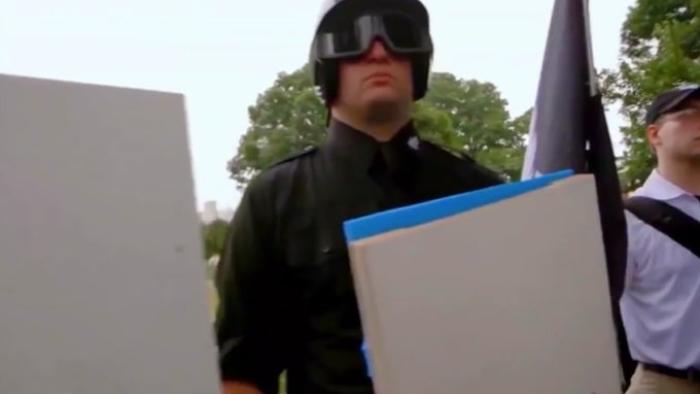

What's the Story?
Hatred can drive human beings to hard words and terrible deeds. But is hatred a natural and inevitable result of humanity? Or is it something we've learned to feel? WHY WE HATE takes a long look into the hearts and minds of humankind, interviewing experts on many aspects of psychology, neuroscience, and history, as well as private citizens prominently touched by acts of hatred -- and of love -- to uncover the meaning behind conflict, as well as how to disarm our minds.
Is It Any Good?
In an era when it seems like political, social, and cultural thinking has never been more polarized, this smart and incisive series asks one question: Why? Does hate come from nature? Nurture? Scarce resources? Is it part of our biological imperative? In its quest to tease out the roots of the hatred that results in all manner of human conflict, Why We Hate interviews many different types of experts: an evolutionary anthropologist who talks about the difference between peaceful bonobo apes and aggressive chimpanzees. An expert in infant cognition, who talks about studies gauging the moral drives of babies. An activist who abandoned the controversial Westboro Baptist Church. Two teens who talk frankly about what it's like to be bullied -- and to bully others.
What emerges is a fascinating portrait of the human race, both our worst qualities, and, paradoxically, our best. The worst is easy to illustrate, of course, and Why We Hate shows plenty of disturbing examples: Nazi rallies, street riots, the aftermath of genocide. But we also learn more what motivates those who lash out against others: scarce resources, insecurity, a wish to feel a part of a group, and the intense pain that's experienced by those who are left out. On a more cheering note, the series also looks into what can defuse hate. As a psychologist points out, our plastic brains can change with new experiences, and humans have the capacity for great cooperation and love. It's hard to see people treating each other terribly, even through the distance of a TV screen. But if Why We Hate has one overriding message, it's that hate isn't inevitable -- and understanding what hate is and what it means may be the first step towards unraveling it.
Talk to Your Kids About ...
Families can talk about the images of violence in Why We Hate. Are they disturbing to watch? Do any of the images surprise you? Do they help drive home this show's messages? Adults: How would you go about talking about tragedy with kids? Kids: Which is more upsetting to you -- seeing violent acts take place on screen or hearing people talk about them? Why?
Families can also talk about why this series was made. Is it intended to inspire change? To document a cultural phenomenon or a period of American history? What do you think were the intentions of those who made this show?
How do the stories in Why We Hate inspire compassion and empathy in viewers? Why are these important character strengths?
TV Details
- Premiere date : October 13, 2019
- Network : Discovery Channel
- Genre : Reality TV
- Topics : Activism
- Character Strengths : Compassion , Empathy
- TV rating :
- Last updated : October 1, 2025
Did we miss something on diversity?
Research shows a connection between kids' healthy self-esteem and positive portrayals in media. That's why we've added a new "Diverse Representations" section to our reviews that will be rolling out on an ongoing basis. You can help us help kids by
Suggest an Update
Common Sense Media's unbiased ratings are created by expert reviewers and aren't influenced by the product's creators or by any of our funders, affiliates, or partners.
See how we rate