







Common Sense Media Review
 By Melissa Camacho
,
based on child development research. How do we rate?
By Melissa Camacho
,
based on child development research. How do we rate?
International hit has sexism, bullying, empowering messages.
Parents Need to Know
Why Age 13+?
Any Positive Content?
Where to Watch
Videos and Photos
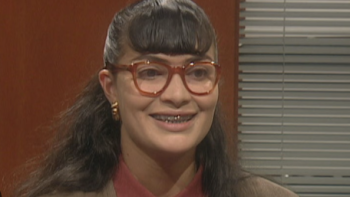
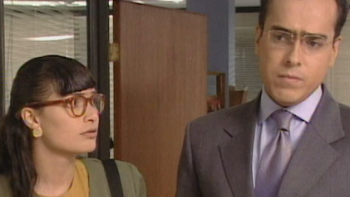
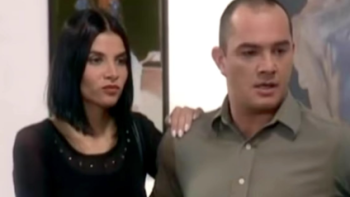
Yo soy Betty, la fea
Parent and Kid Reviews
What's the Story?
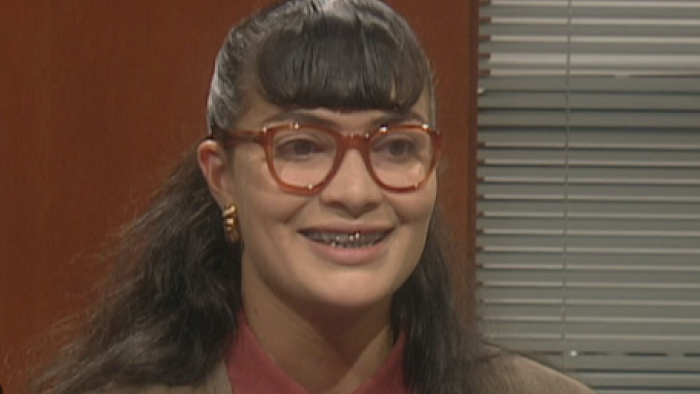
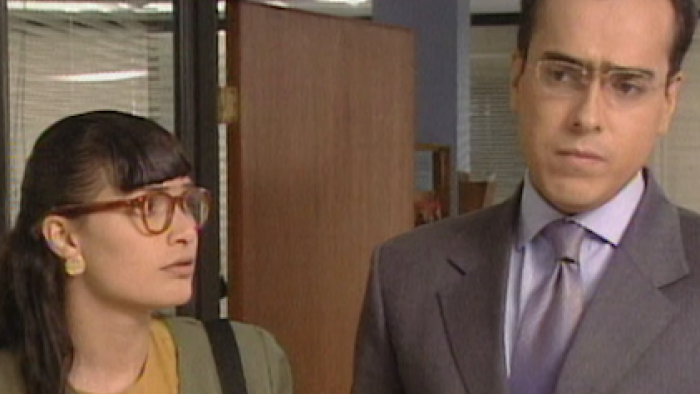
The Colombian telenovela YO SO BETTY, LA FEA (1999–2001) stars Ana María Orozco as Beatriz Aurora Pinzón Solano, a strong, intelligent, and optimistic young woman who's considered unattractive according to popular Colombian perceptions of beauty. Beatriz, or "Betty," recently graduated at the top of her class from university with honors in economics and finance, but is unable to get an executive position in the competitive banking industry. She eventually gets hired as a secretary to support Armando Mendoza Sáenz (Jorge Enrique Abello), the young, handsome, and fiscally inept president of the (fictitious) family-owned fashion company, Ecomoda, much to the chagrin of Armando's ambitious fiancée, Marcela Valencia (Natalia Ramírez). It's hard for other company employees, like designer Hugo Lombardi (Julián Arango) and Patricia Fernández (Lorna Cepeda), who had been vying for Betty's position, to take her seriously, but Betty is determined to show them what she's capable of.
Is It Any Good?
The international sensation that inspired the U.S. hit Ugly Betty (2006–2010) and 19 other remakes around the world underscores how women are judged by their external looks no matter how accomplished they are, but that true beauty comes from within. Yo soy Betty, la fea uses well-written comedy, drama, and romance to position Betty as the "ugly" woman due to her lack of fashion sense as well as her physical looks (including braces and glasses) as she navigates her way through Ecomoda, which creates a space for insults and bullying behavior. Nonetheless, Betty is steadfast in her sunny disposition and her positive sense of self-worth, both of which remain evident as she (and her relationships) evolve over time.
Granted, all of this is offered as a Colombian telenovela, and features the traditional physical comedy and over-the-top (and sometimes overextended) narratives the genre is known for. It also reinforces some of the traditional machismo-defined attitudes and misogynistic behaviors that were considered acceptable in Colombia (and in other countries) in the late 1990s, including overdramatic, caricature-like interpretations of LGBTQ+ community members and the sexual harassment of women in and outside of the workplace. Despite that, Yo soy Betty, la fea also offers universally empowering messages about the importance of knowing, accepting, and loving yourself enough to realize what makes you truly beautiful inside and out.
Talk to Your Kids About ...
Families can talk about the Betty la fea franchise. What is it about the original series that made it so popular in the United States and around the world?
TV Details
- Premiere date : October 29, 1999
- Cast : Ana Maria Orozco , Jorge Enrique Abello , Natalia Ramírez
- Network : Peacock
- Genre : Comedy
- Topics : Friendship
- Character Strengths : Courage , Gratitude , Humility , Perseverance , Teamwork
- TV rating :
- Last updated : September 18, 2025
Did we miss something on diversity?
Research shows a connection between kids' healthy self-esteem and positive portrayals in media. That's why we've added a new "Diverse Representations" section to our reviews that will be rolling out on an ongoing basis. You can help us help kids by
Suggest an Update
Common Sense Media's unbiased ratings are created by expert reviewers and aren't influenced by the product's creators or by any of our funders, affiliates, or partners.
See how we rate