







Common Sense Media Review
 By Paul Semel
,
based on child development research. How do we rate?
By Paul Semel
,
based on child development research. How do we rate?
Unique, uncomfortable, invasive puzzler tests your nosiness.
Parents Need to Know
Why Age 18+?
Any Positive Content?
Where to Download
Videos and Photos


A Normal Lost Phone
What's It About?
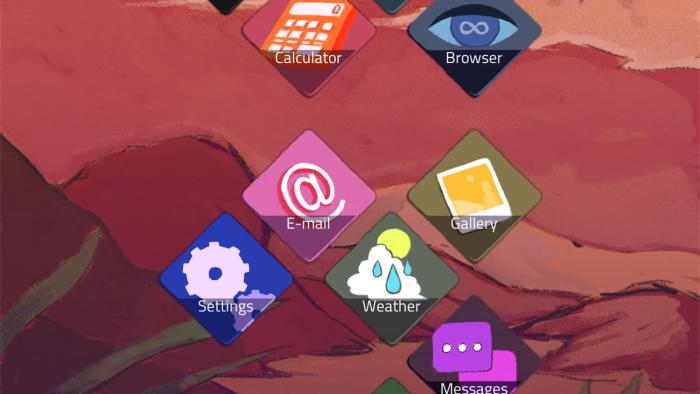
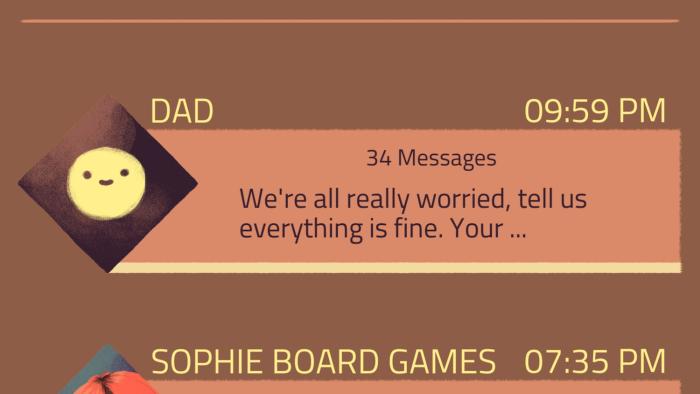
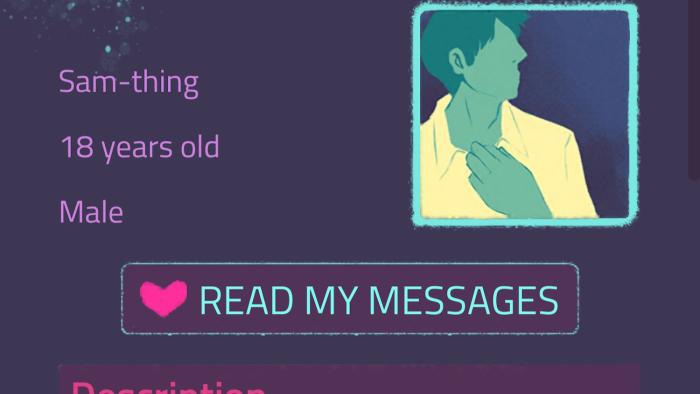
The idea behind A NORMAL LOST PHONE is that you found someone's smartphone, and, instead of turning it into the police, you decide to poke around to see if you can figure out the phone's owner. To do this, you have to read their text messages and emails, look at their photos, and sift through their apps to figure out what happened to them. In other words, instead of turning the phone in to the authorities, you decide to invade their privacy.
Is It Any Good?
Like actually finding someone's phone and searching it to discover who they are so you can return it, this puzzle game is more complex than it seems. In A Normal Lost Phone, you've found someone's smartphone and have decided to go through their texts, emails, photos, and apps to see if you can figure out what happened to them. It's through this snooping that you learn their Wi-Fi password, the code for their dating app accounts, and other bits of private information that slowly but steadily reveal way too much about the phone's owner. You even end up having to do something that many people -- including the phone's owner -- would consider crossing a line -- which is why not everyone will appreciate this game; it can make you feel bad for playing it.
Some people might not appreciate how tough the puzzles can be, especially since they're not really puzzles in the sense that they don't rely as much on logic or problem-solving as they do on snooping. So this may not grab your attention as much as feel like an exercise in invading someone's privacy. Still, if you're a nosy person who likes figuring things out, A Normal Lost Phone is more fun than, well, losing your own phone.
Talk to Your Kids About ...
Families can talk about invading other people's privacy. When would it be OK to look through someone's phone? How much should you look at? Would you want someone reading your texts and emails?
Talk about talking to strangers on their phones. What does this game show us about the dangers of talking to strangers online, even through an app? How can you protect yourself, even when using such apps?
Discuss locking your phone. Clearly, the person who owns this phone didn't password-protect it, so what does this game teach you about the importance of cybersecurity?
App Details
- Devices : iPhone , iPod Touch , iPad , Android
- Pricing structure : Paid
- Release date : January 27, 2017
- Genre : Puzzle Games
- Topics : Friendship
- Publisher : Accidental Queens
- Version : 1.0
- Minimum software requirements : iOS 6.0 or later; Android 2.3 and up
- Last updated : October 1, 2025
Did we miss something on diversity?
Research shows a connection between kids' healthy self-esteem and positive portrayals in media. That's why we've added a new "Diverse Representations" section to our reviews that will be rolling out on an ongoing basis. You can help us help kids by
Suggest an Update
Common Sense Media's unbiased ratings are created by expert reviewers and aren't influenced by the product's creators or by any of our funders, affiliates, or partners.
See how we rate