







Common Sense Media Review
 By Mieke VanderBorght
,
based on child development research. How do we rate?
By Mieke VanderBorght
,
based on child development research. How do we rate?
Free play plus mini-games are fine, but nothing special.
Parents Need to Know
Why Age 4+?
Any Positive Content?
Where to Download
Videos and Photos


Bubbu School - Kids Learning
What's It About?
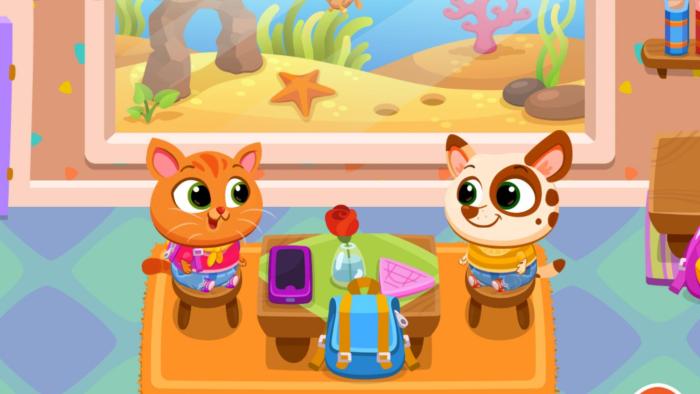
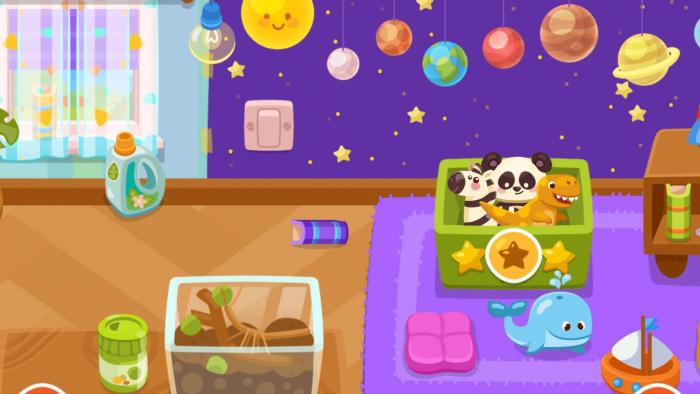
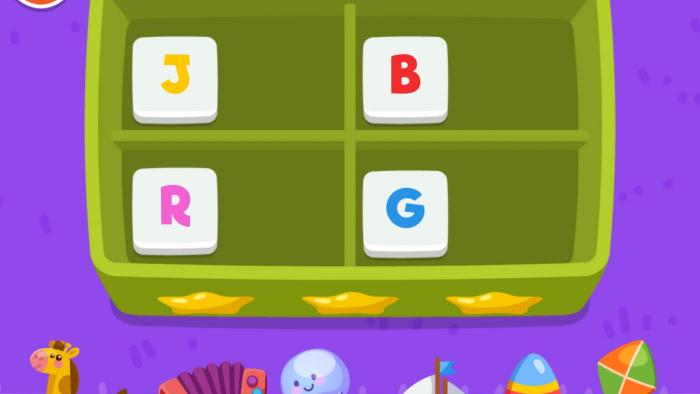
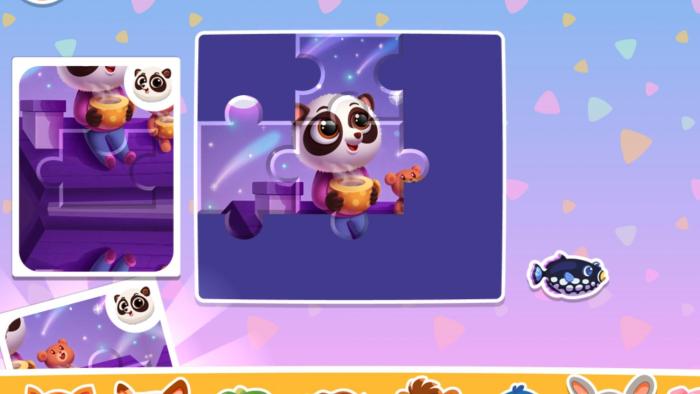
Kids start BUBBU SCHOOL - KIDS LEARNING with two animal characters sitting at a table in a school hallway. From there, kids can choose more characters, move characters and objects around, tap on things to see what happens, change the decor, or tap on any arrow to enter a room. Each themed room has free play options in addition to star icons that mark mini-games to play. Color or draw with basic art tools in the art room. Play instruments in the music room. Prepare food in the cafeteria. Play a frogger type game or slide down the slide outside. The classroom has games focusing early learning subjects like arithmetic, letters, and shapes. As kids play, they collect puzzle pieces, which they can put together to complete a series of pictures featuring the animal characters.
Is It Any Good?
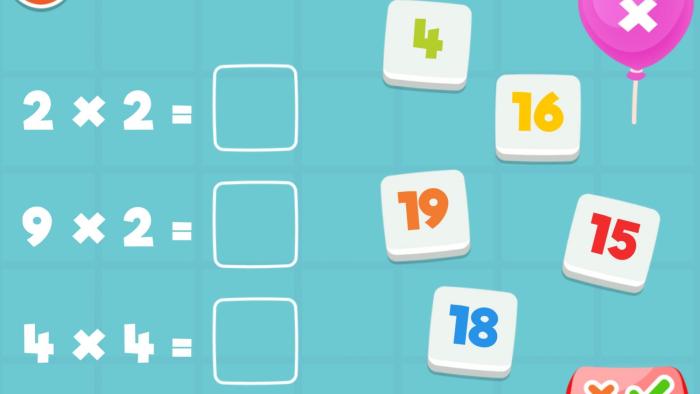
This virtual school has sure kid-appeal but isn't the most creative offering for preschoolers. There are a few different things going on in Bubbu School - Kids Learning. Kids can explore the school and get creative as they move objects around, tell stories, decorate to suit their tastes, and experiment to see what happens when they tap different things. Though there's a decent amount of flexibility, the options don't quite reach the quality level of apps that are dedicated, open-ended virtual play spaces. Mini-games vary in quality. Some have light educational content, many are just for fun -- but are mostly standard games of average quality and low creativity. For example, just like most apps out there for preschoolers, there are simple puzzles, basic drawing tools, and simple musical instruments. A sandbox where kids can practice copying letters may be one of the better games. Whereas the math games aren't that exciting, but also seem advanced for the target age range. They ask kids to choose addition, subtraction, multiplication, or division, and then match the correct numbers to a series of simple equations Overall, there's nothing really wrong with Bubbu School - Kids Learning, but given the many options out there for this age range, families could definitely find something of higher quality.
Talk to Your Kids About ...
Families can talk about the games kids play with Bubbu School - Kids Learning. Which games do they like best? What rooms are they most interested in?
Encourage kids to tell stories with the characters and objects. Who are the different characters? What are they doing? You can even write down the stories kids tell.
Ask kids about their experiences at school. What do they like about their school? What's their favorite activity?
App Details
- Devices : iPhone , iPod Touch , iPad , Android
- Subjects : Language & Reading : letter or word recognition , Math : arithmetic
- Pricing structure : Paid
- Release date : April 20, 2021
- Genre : Education
- Topics : Numbers and Letters
- Publisher : Pilcom
- Version : 1.11
- Minimum software requirements : iOS 10.0 or later; Android 4.1 and up
- Last updated : September 30, 2025
Did we miss something on diversity?
Research shows a connection between kids' healthy self-esteem and positive portrayals in media. That's why we've added a new "Diverse Representations" section to our reviews that will be rolling out on an ongoing basis. You can help us help kids by
Suggest an Update
Common Sense Media's unbiased ratings are created by expert reviewers and aren't influenced by the product's creators or by any of our funders, affiliates, or partners.
See how we rate