







Common Sense Media Review
 By Mieke VanderBorght
,
based on child development research. How do we rate?
By Mieke VanderBorght
,
based on child development research. How do we rate?
Super-simplified summaries of non-fiction big-idea books.
Parents Need to Know
Why Age 16+?
Any Positive Content?
Where to Download
Videos and Photos


Lucid: Learn Visually
What's It About?
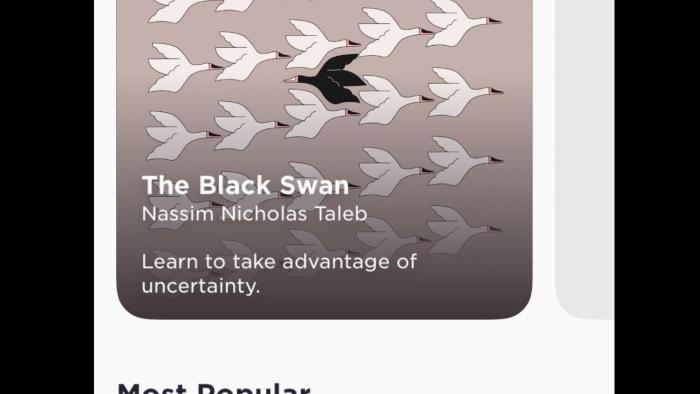
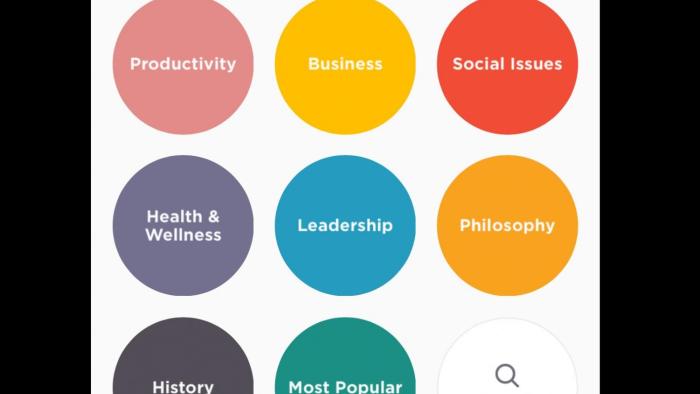
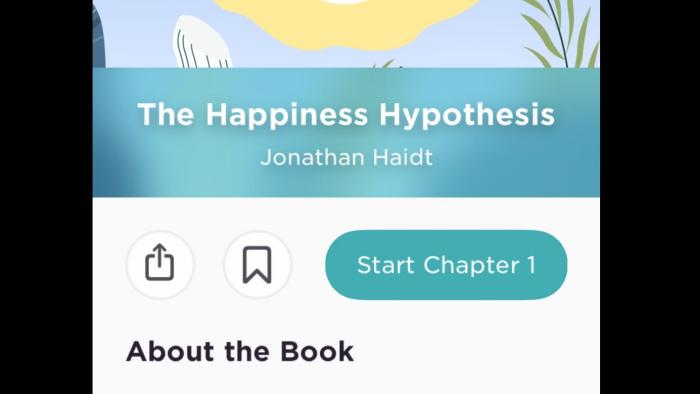
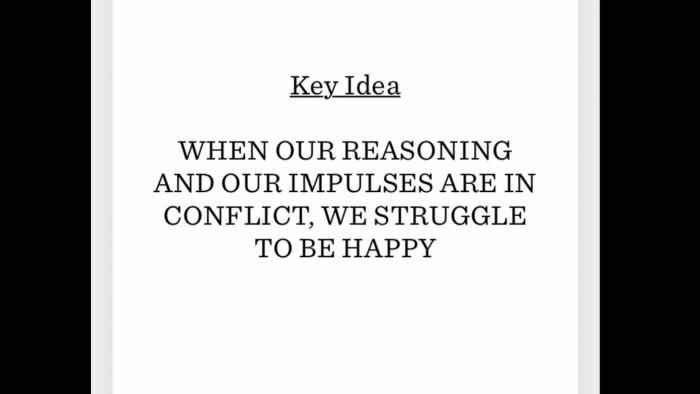
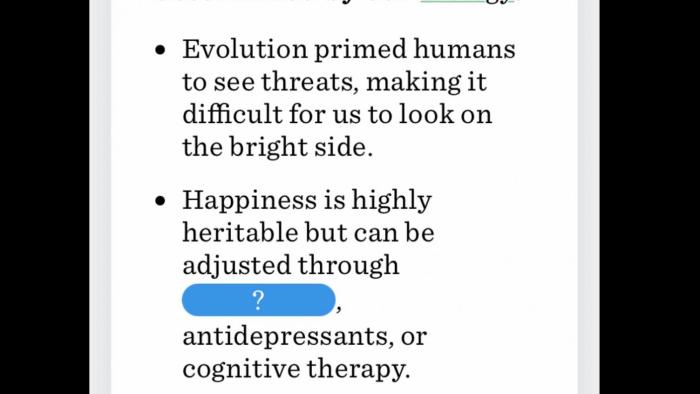
To get started, LUCID: LEARN VISUALLY asks for your name, age range, topics of interest, and reading experience. Then, sign up for a subscription to enter the library. Swipe left or right to browse suggested titles, or explore categories such as Most Popular, Personal Development, Business, Social Issues, or Health & Wellness. Tap on a book title and start reading. Each page has just a few sentences summarizing a main idea plus a colorful graphic representation of that idea. Every few pages shows a key idea, or offers the option to save or share a key concept. There's a short fill-in-the-blank quiz at the end of each chapter. Save favorite books in your library, or collect key insights from multiple titles for later access from the insights tab.
Is It Any Good?
Busy teens could get a lot out of these super condensed versions of some very popular non-fiction titles, though they'll miss out on all the details and finer points. The book summaries in Lucid: Learn Visually will give readers enough information to have a surface level conversation about the book, or inspire them to think about things in a new way. And, with big name authors like Malcolm Gladwell, Michelle Obama, Michael Pollan, and Ibram X. Kendi or long popular titles like The 7 Habits of Highly Effective People, there are lots of cultural hot points to explore. The developers seem to have done a good job condensing long books and big ideas into simple key sentences. Visual learners may find the graphics helpful, though not all ideas lend themselves easily to graphic representation and some graphics seem pretty meaningless. Purists may feel that such condensed summaries don't do justice to the author's work and, without the opportunity to dive deep into the details, readers won't actually be learning or enriching their minds. And for many, it'll make more sense to get a subscription elsewhere that allows access to the full texts. However, with so many demands on time and attention, teens may find Lucid: Learn Visually a great way to expose themselves to new ideas. Plus, for teens who struggle with reading, this could be a great way to get them interested in longer texts.
Talk to Your Kids About ...
Families can talk about what teens find most interesting from the library in Lucid: Learn Visually. Which topics do you find appealing? What would you like to learn more about? Why?
Ask teens what they've learned after reading. What concepts or ideas were most interesting? Did you learn anything you'd like to incorporate into your life?
How does it feel to read a super condensed version of a book? What are the advantages? What do you miss, if anything?
App Details
- Devices : iPhone , iPod Touch , iPad
- Subjects : Language & Reading : reading comprehension , text analysis , vocabulary , Social Studies : history , power structures , the economy
- Skills : Thinking & Reasoning : thinking critically , Self-Direction : goal-setting , identifying strengths and weaknesses , personal growth , working efficiently , Emotional Development : perspective taking , self-awareness , Health & Fitness : mental health
- Pricing structure : Free to try
- Release date : August 16, 2021
- Genre : Education
- Topics : History
- Publisher : Polywise, Inc.
- Version : 3.4.15
- Minimum software requirements : iOS 13.0 or later
- Last updated : September 30, 2025
Did we miss something on diversity?
Research shows a connection between kids' healthy self-esteem and positive portrayals in media. That's why we've added a new "Diverse Representations" section to our reviews that will be rolling out on an ongoing basis. You can help us help kids by
Suggest an Update
Common Sense Media's unbiased ratings are created by expert reviewers and aren't influenced by the product's creators or by any of our funders, affiliates, or partners.
See how we rate