







Common Sense Media Review
 By Erin Brereton
,
based on child development research. How do we rate?
By Erin Brereton
,
based on child development research. How do we rate?
Moving look at grief can be sad, but has a positive message.
Parents Need to Know
Why Age 8+?
Any Positive Content?
Where to Download
Videos and Photos


Sumire
Parent and Kid Reviews
What's It About?
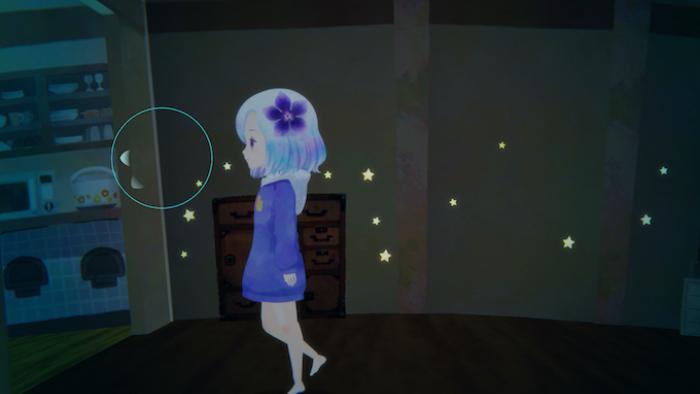
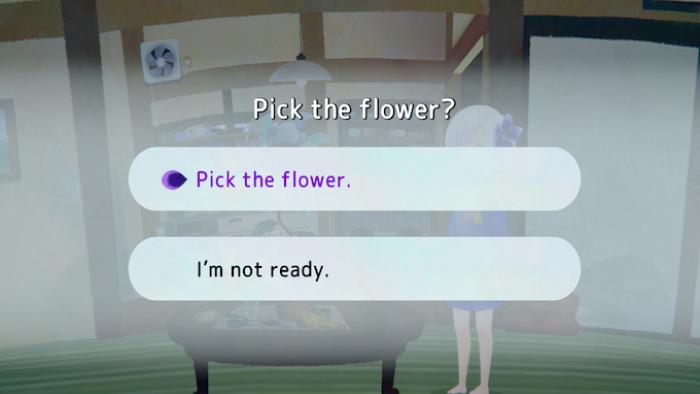
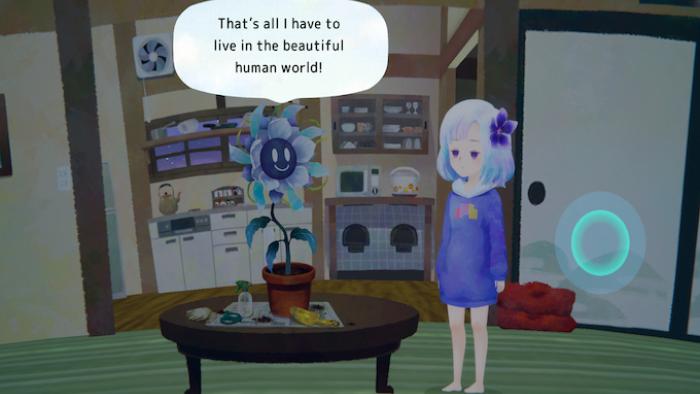
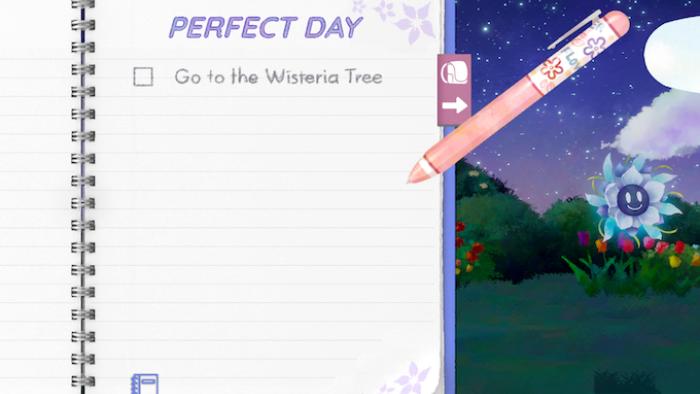
A girl tries to deal with her grandmother's death and other family issues in SUMIRE. Kids use an on-screen directional wheel to maneuver Sumire around locations. As she takes a flower that grew overnight from a magic seed out for a memorable day -- its last on earth -- she writes down and crosses tasks off in a notebook, including things she does to help other characters. A question mark indicates points where a conversation can occur. Questions kids answer, such as whether or not to remove the talking flower from its pot, help shape the plot.
Is It Any Good?
The interactive story features an admirable approach to subject matter that can be difficult to address, including the loss of more than one family member. In Sumire, clicking on question marks near characters or objects will trigger brief conversations, which advance the plot, and kids will also occasionally pick up or otherwise engage with objects in the story. The amount of interacting and observing what kids do is generally well-balanced -- neither aspect feels like it disrupts the story, which revolves around the main character struggling to deal with her grandmother's death. Sumire wants to find out what her grandmother has tried to tell her in dreams, which she's convinced would make everything in her life better. A talking flower that appears early in the story ends up being her companion, after insisting Sumire serve as its guide for the day because it can't stay in her world longer than that.
The animation is excellent – stars twinkle, crickets chirp, and flowers sway gently in the breeze. Kids generally need to take care of tasks that come up right away to move forward, which the app doesn't specify, so they may need to backtrack at points until they figure that out. Generally, though, the navigation is fairly direct and frustration-free. A list Sumire refers to in her notebook throughout the story serves as a nice visual cue for what the character has done and what tasks lie ahead. Some involve emotional challenges, which are a recurring theme in the story. Her flower companion, who dispenses positive advice -- such as not worrying about what you can't control -- ultimately causes Sumire to experience another loss. Some kids may have a hard time with the sadder aspects of the story -- and there are a few. But the overall message it presents of expressing feelings and living in the moment is uplifting. As a result, kids who have experienced loss or struggle with similar issues might find spending some time in Sumire's world helpful.
Talk to Your Kids About ...
Families can talk about some of the themes featured in Sumire, such as loss, and why it's OK to feel sad when someone passes away. What kinds of things can you do to cope with losing someone you love?
The main character opens up to another character about her feelings in the story, but how can this serve as a starting point to discuss dealing with your emotions? What are some ways your child can address feeling lonely or uncomfortable in a situation?
The app features a very visual form of storytelling, but can your child create a story using just drawings? Does that make any of the information more or less clear than if words were used?
App Details
- Devices : iPhone , iPod Touch , iPad , Mac
- Pricing structure : Paid
- Release date : April 14, 2022
- Genre : Role-Playing Games
- Topics : Fantasy ( Magic )
- Publisher : GameTomo Co., Ltd.
- Version : 1.1.3
- Minimum software requirements : Requires iOS 11.0 or later or macOS 10.13.0 or later.
- Last updated : September 29, 2025
Did we miss something on diversity?
Research shows a connection between kids' healthy self-esteem and positive portrayals in media. That's why we've added a new "Diverse Representations" section to our reviews that will be rolling out on an ongoing basis. You can help us help kids by
Suggest an Update
Common Sense Media's unbiased ratings are created by expert reviewers and aren't influenced by the product's creators or by any of our funders, affiliates, or partners.
See how we rate