







Common Sense Media Review
 By S. Jhoanna Robledo
,
based on child development research. How do we rate?
By S. Jhoanna Robledo
,
based on child development research. How do we rate?
Mesmerizing film for kids and parents who adore wee ones.
Parents Need to Know
Why Age 7+?
Any Positive Content?
Where to Watch
Videos and Photos


Babies
Parent and Kid Reviews
Based on 26 parent reviews
Based on 15 kid reviews
Kids say the movie offers a heartwarming glimpse into different cultures and family dynamics through the lens of babies growing up in various countries, highlighting both the adorable and stark realities of life around the world. While many find it entertaining and cute, some parents express concerns about the presentation of nudity and scenes depicting poverty, suggesting it may not be suitable for very young viewers.
- adorable scenes
- cultural insights
- nudity concerns
- suitable for older kids
- heartwarming experience
 Summarized with AI
What's the Story?
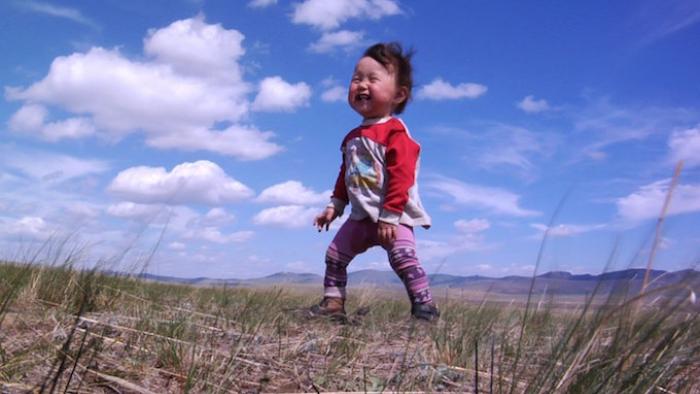
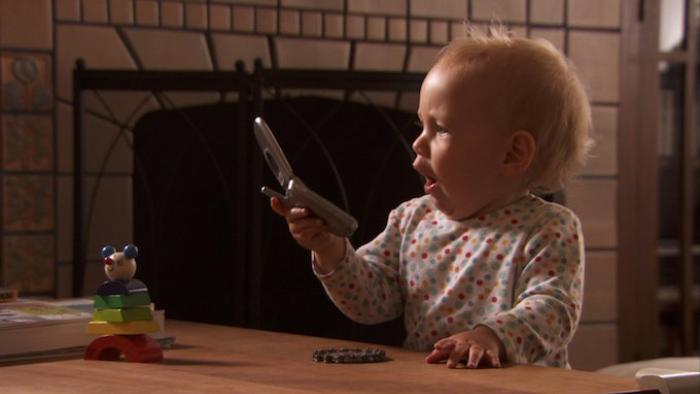
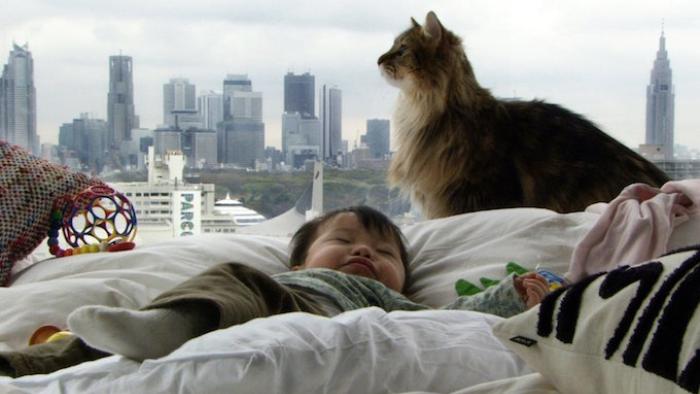
Director Thomas Balmes and his crew head to four points on the globe to film four BABIES: Mari of Tokyo, Japan; Bayarjargal (Bayar for short) in Mongolia; Ponijao of Namibia; and Hattie, born in San Francisco. Their everyday lives are captured on film as they discover the world in their first year of life, during which they learn how to discern their parents' and siblings'-- and even their pets' -- faces; master crawling and walking; and embark on adventures marked by (and independent of) language, cultural, and geographical differences.
Is It Any Good?
The filmmakers let the images speak for themselves -- there are no subtitles and little camera trickery -- and the soundtrack, though delightful, doesn't intrude. It's just as well: The babies are infinitely watchable. Watch Mari wail and flail over uncooperative toys; Bayar pull rank with a cat; Ponijao attempt to stand up to a cousin; and Hattie find joy in making sounds. To watch the adorable babies is to celebrate infancy, regardless of ethnicity or geography.
Yet, although the filmmakers are presenting their subjects without comment, the juxtapositions of scenes do make a statement. For example, Bajar and Ponijao are free to explore in the muck, literally, while Hattie and Mari are in relatively sterile environments, which begs the question: Does this mean anything? Do Bajar and Ponijao need more tending to, or are they lucky because they are more in touch with nature? (And they seem none the worse for wear for it, either.) Is one way of parenting better than another? There's certainly lots to ponder: the mysteries of childhood, cultural diversity, and humanity itself.
Talk to Your Kids About ...
Families can talk about how babies are raised in different countries: Are there any similarities among the four portrayed here? What are the main differences? Why do you think the filmmakers decided to make Babies?
What can we learn from the way babies live in different parts of the world? Did you find yourself making judgments about unfamiliar child rearing practices? Why or why not? Do you think the filmmakers presented the four families objectively -- or was there a bias?
How does Babies promote curiosity and compassion? Why are these important character strengths?
Movie Details
- In theaters : May 7, 2010
- On DVD or streaming : September 28, 2010
- Cast : Bayar , Hattie , Mari
- Director : Thomas Balmes
- Studio : Focus Features
- Genre : Documentary
- Character Strengths : Compassion , Curiosity
- Run time : 79 minutes
- MPAA rating :
- MPAA explanation : cultural and maternal nudity throughout.
- Last updated : October 9, 2025
Did we miss something on diversity?
Research shows a connection between kids' healthy self-esteem and positive portrayals in media. That's why we've added a new "Diverse Representations" section to our reviews that will be rolling out on an ongoing basis. You can help us help kids by
Suggest an Update
Common Sense Media's unbiased ratings are created by expert reviewers and aren't influenced by the product's creators or by any of our funders, affiliates, or partners.
See how we rate