







Common Sense Media Review
 By Monique Jones
,
based on child development research. How do we rate?
By Monique Jones
,
based on child development research. How do we rate?
Mature drama about colonization's effect on the Indigenous.
Parents Need to Know
Why Age 15+?
Any Positive Content?
Where to Watch
Videos and Photos


Eureka
Parent and Kid Reviews
What's the Story?
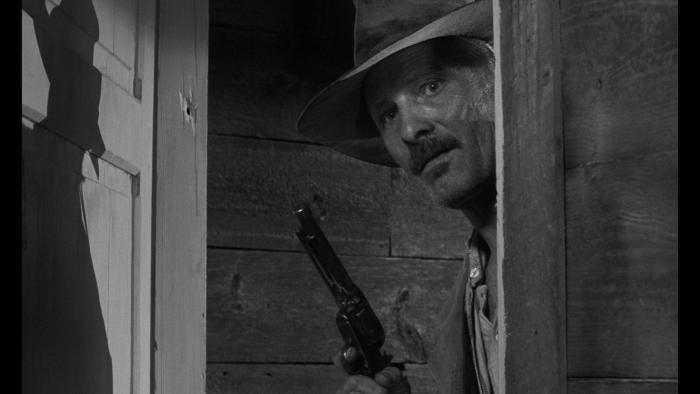
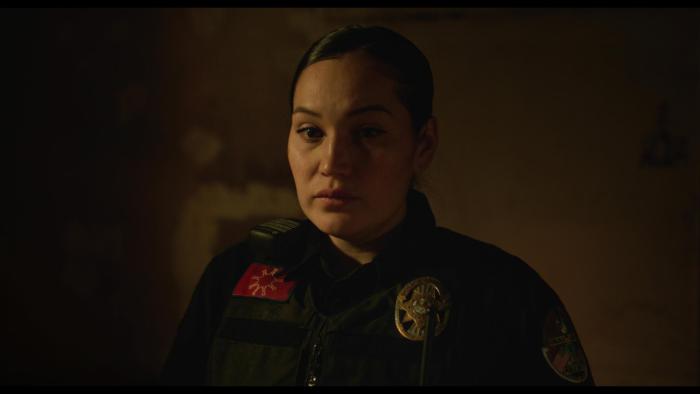
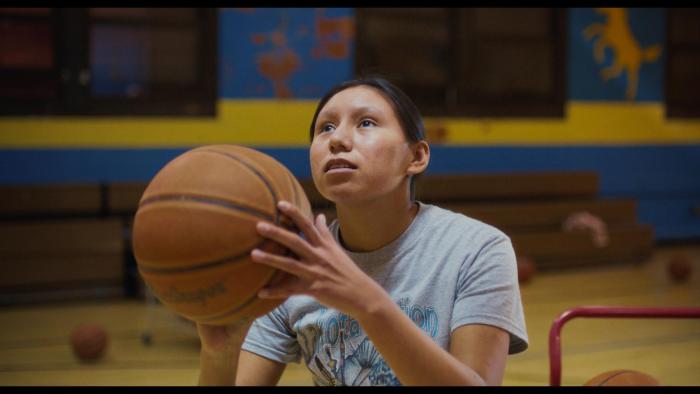
EUREKA is a three-part story about the lives of Indigenous people in North and South America. In the first part, a western gunslinger (Viggo Mortensen) wants to find his daughter in a debauched town. In the second part, Pine Ridge Reservation Police Officer Alaina (Alaina Clifford) and her sister, Sadie (Sadie Lapointe), live together and try to set good examples within their deteriorating Lakota community, which is heavily affected by substance abuse, violence, and depression. The feeling of loss leads Sadie to ask her grandfather to turn her into a bird. In the third part, a man is ousted from his Amazonian tribe in the 1970s and tries to find work before facing peril.
Is It Any Good?
This compelling drama may seem opaque when you first start watching, but stick with it to understand its full purpose. Eureka starts with Mortensen as the antihero in a Western who's on the path of his missing daughter. But then you realize that his story is, in fact, just images on a screen, the Western serving as commentary on the power of images. Because although the Western is set in Native American territory, the only two Native Americans shown on-screen are a man in traditional garb singing to the sun and another man who serves as a bodyguard and servant to a White mistress (Chiara Mastroianni). What's more, Mastroianni and Mortensen's characters both have the actors' natural accents, evoking the spaghetti Western genre and the idea that derogatory images can quickly become international exports if those images are metaphorically dressed in cool, flashy ways.
Eureka's other two parts are just as evocative, with Clifford and LaPointe trying to stay emotionally afloat while the rest of their community suffers from the effects of racial poverty, depression from historical maltreatment, and the ramifications of some of the community turning to drugs, alcohol, or crime for some type of relief. The Amazonian rainforest is at the center of the final part, in which an Indigenous community practices spiritual togetherness—but one of their own almost brings that togetherness to a halt. To some viewers, Eureka might seem like it's saying a bunch of nothing. And the film does give clear indications that its storytelling methods are more abstract than those of other films, which won't be for all viewers. But for those who stick with the film and are interested in its themes, Eureka offers a powerful examination of how Western "civilization" isn't really all that civilized.
Talk to Your Kids About ...
Families can talk about Eureka's messages about Indigenous people. What is the film saying about modern Indigenous lives?
How is racism addressed in the film? What consequences are explored?
How do characters in the movie create community? How do they demonstrate teamwork and perseverance?
What role does violence play in the film?
Movie Details
- In theaters : September 20, 2024
- On DVD or streaming : November 22, 2024
- Cast : Viggo Mortensen , Chiara Mastroianni , Alaina Clifford , Sadie LaPointe
- Director : Lisandro Alonso
- Studio : Film Movement
- Genre : Drama
- Topics : Family Stories ( Siblings )
- Character Strengths : Perseverance , Teamwork
- Run time : 147 minutes
- MPAA rating :
- Last updated : September 18, 2025
Did we miss something on diversity?
Research shows a connection between kids' healthy self-esteem and positive portrayals in media. That's why we've added a new "Diverse Representations" section to our reviews that will be rolling out on an ongoing basis. You can help us help kids by
Suggest an Update
Common Sense Media's unbiased ratings are created by expert reviewers and aren't influenced by the product's creators or by any of our funders, affiliates, or partners.
See how we rate