







Common Sense Media Review
 By Jose Solis
,
based on child development research. How do we rate?
By Jose Solis
,
based on child development research. How do we rate?
Science docu examines aging, human longevity; mature themes.
Parents Need to Know
Why Age 13+?
Any Positive Content?
Where to Watch
Videos and Photos



Forever Young (2025)



Parent and Kid Reviews
What's the Story?
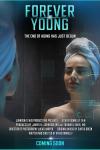
In FOREVER YOUNG, filmmaker David Donnelly explores what aging is and whether science can help people live healthier lives for longer. The documentary begins with a futuristic scene in which a woman named Ava gets a health report from an AI assistant, and then shifts into interviews with doctors, scientists, and researchers studying biological age and longevity. They explain how aging affects the body, what "healthspan" means, and how medicine might one day slow or change parts of the aging process. The film also looks at the hopes and questions that come with trying to extend human life.
Is It Any Good?
This documentary offers a solid exploration of the longevity movement, but it's not perfect. A longer and healthier life is one of science's kindest dreams for the future. Forever Young recognizes that future, but doesn't really question who gets to live in it. David Donnelly's documentary explains why some researchers want to treat aging like a disease, and the movement around aging and healthspan science is clear. The film's most relatable element follows Ava, played by Julie Daniels. She lives in a near future where an AI assistant tracks her body daily and reports on her annual epigenetic reset. These scenes make the science easier to grasp, but they also reveal the film's limited view. The future appears wealthy, predominantly White, and conventionally beautiful. The movie understands that zip codes influence lifespan, yet it spends more time celebrating breakthroughs than addressing who will benefit from them. This is especially important when the World Bank reports that 847 million people lived in extreme poverty in 2024.
The scientists are passionate, and healthier aging is a worthy goal. However, the film often drifts into corporate language, particularly concerning the Buck Institute, and a producer is also one of the film's subjects and most prominent talking heads. An Asian woman's memories briefly suggest a deeper exploration of aging as a lived experience, but then the film returns to pills, tests, and biological repair. Including other perspectives about aging and longevity would have made this film more accessible.
Talk to Your Kids About ...
Families can talk about why people want to live longer. Is the goal only to add more years, or should the focus be on making those years healthier?
The movie shows scientists working on problems that one person couldn't solve alone. Why does major research need teamwork, funding, and trust?
If new treatments could slow aging, who should have access to them? How can society make sure medical breakthroughs help more than just wealthy people?
Movie Details
- In theaters : October 11, 2025
- On DVD or streaming : May 26, 2026
- Cast : Julie Daniels , Josh Casaubon , David Donnelly
- Director : David Donnelly
- Studio : FilmHub
- Genre : Documentary
- Topics : STEM ( AI , Science )
- Character Strengths : Teamwork
- Run time : 88 minutes
- MPAA rating :
- Last updated : June 27, 2026
Did we miss something on diversity?
Research shows a connection between kids' healthy self-esteem and positive portrayals in media. That's why we've added a new "Diverse Representations" section to our reviews that will be rolling out on an ongoing basis. You can help us help kids by
Suggest an Update
Common Sense Media's unbiased ratings are created by expert reviewers and aren't influenced by the product's creators or by any of our funders, affiliates, or partners.
See how we rate