







Common Sense Media Review
 By Barbara Shulgasser-Parker
,
based on child development research. How do we rate?
By Barbara Shulgasser-Parker
,
based on child development research. How do we rate?
Intimate look at baby wildlife; some violence, peril.
Parents Need to Know
Why Age 6+?
Any Positive Content?
Where to Watch
Videos and Photos


Growing Up Wild
What's the Story?
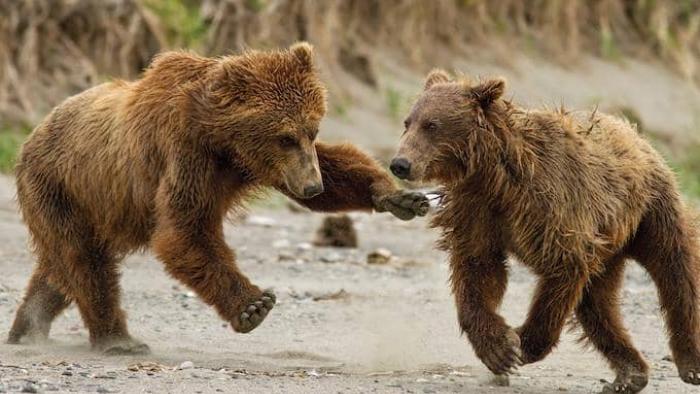
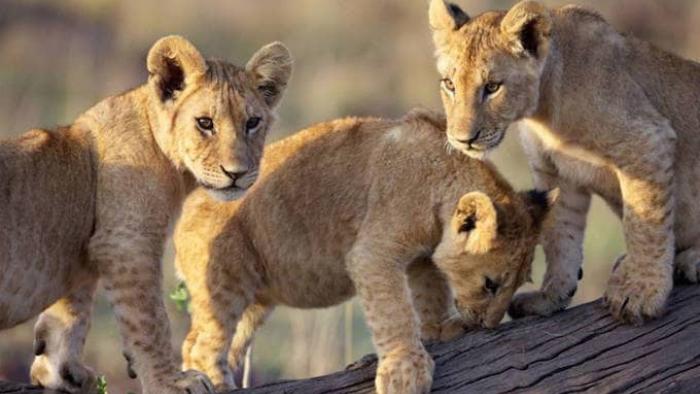
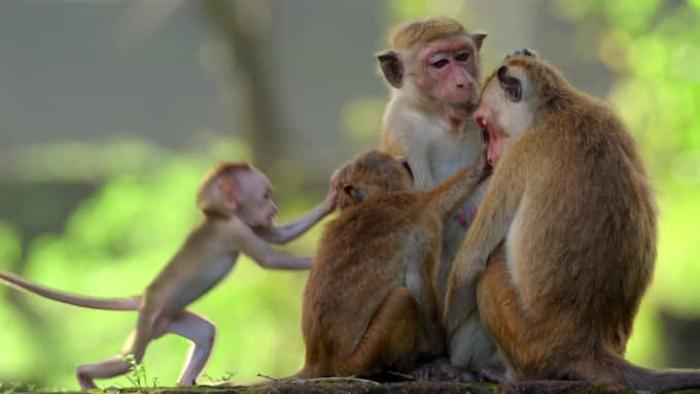
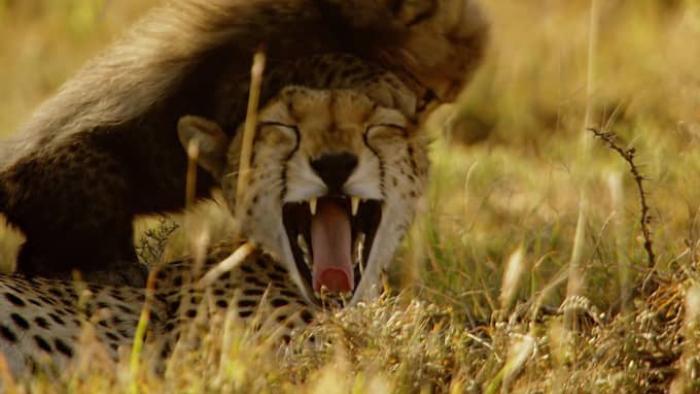
In GROWING UP WILD, an Alaskan bear with two cubs emerges from hibernation, starving. She and the babies make the dangerous trip from the safe mountains to the food-rich coastline, dodging other hungry bears eager to eat the cubs. They face tough odds -- only one in three cubs makes it to a first birthday. Spectacular views of the pristine terrain set the contrast with the challenges they face. It's life or death, and it's not until momma bear brings the young ones to a cache of spawning salmon that things start to look up. Narrator Daveed Diggs describes the trials a lion cub, baby chimp, baby macaque, and five young cheetahs also must endure to make it through childhood. When a kind elder spies an abandoned baby macaque slowly starving to death, he hugs the baby and shows him how to eat caterpillars. Sparse food supplies, predators, internal family squabbles, marauding rival groups, and vicious hyenas all play roles in toughening up the young ones that manage to survive the ordeal of childhood in the wild.
Is It Any Good?
The informative narrative of this film and its beautiful footage provide an unusually intimate look at young animals trying to survive in their habitats. Close-ups of animals in moments of affection with parents are certainly endearing, making this a relatively benign introduction for young children to the subjects of survival and loss in nature. Growing Up Wild focuses on the constant challenges that face young animals and their mothers, including finding food and evading dangers. Cheetahs are stalked by hyenas, predators that eventually kill and eat two of five cheetah cubs. When they're old enough, the cheetahs learn to climb trees, so the next time the hyenas come around they can evade them high in the tree branches. The narration is jaunty and informative but may raise questions. For example, macaques are said to live in complex societies characterized by a "strict social order." The movie announces that what a baby macaque is allowed to eat can be determined by who his mother is. Viewers may want to know exactly what qualifies a macaque as a member of the elite; that information is left unexplained here. Overall, the movie is a great opportunity for kids to learn about how animals live in nature.
Talk to Your Kids About ...
Families can talk about how close the baby animals in Growing Up Wild are with their mothers. Do you see parallels between how these mothers care for their babies and how human mothers care for their babies?
Some of the animals, including lions and chimps, are part of communities and enjoy the protection of being part of a large group. Other babies only have their mothers to rely on for protection and food, including the bears and cheetahs. What do you think are the benefits and drawbacks of each way of living?
How do nature photographers capture the way animals live without influencing the behavior of the animals?
How could you learn more about baby animals in the wild?
Movie Details
- On DVD or streaming : December 8, 2016
- Cast : Daveed Diggs
- Directors : Mark Linfield , Keith Scholey
- Studio : Disneynature
- Genre : Documentary
- Topics : STEM
- Run time : 77 minutes
- MPAA rating :
- Last updated : October 1, 2025
Did we miss something on diversity?
Research shows a connection between kids' healthy self-esteem and positive portrayals in media. That's why we've added a new "Diverse Representations" section to our reviews that will be rolling out on an ongoing basis. You can help us help kids by
Suggest an Update
Common Sense Media's unbiased ratings are created by expert reviewers and aren't influenced by the product's creators or by any of our funders, affiliates, or partners.
See how we rate