






Common Sense Media Review
 By Tara McNamara
,
based on child development research. How do we rate?
Waititi keeps bittersweet AI friend comedy light; language.
Parents Need to Know
Why Age 11+?
Any Positive Content?
Where to Watch
Videos and Photos
Klara and the Sun
What's the Story?
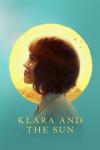
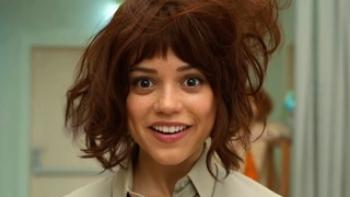
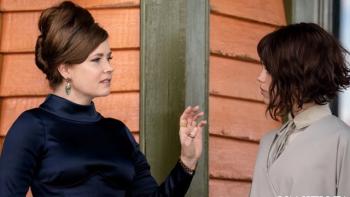
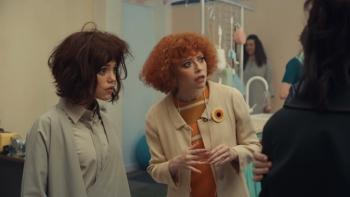
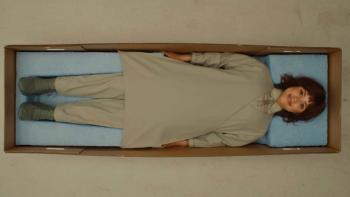
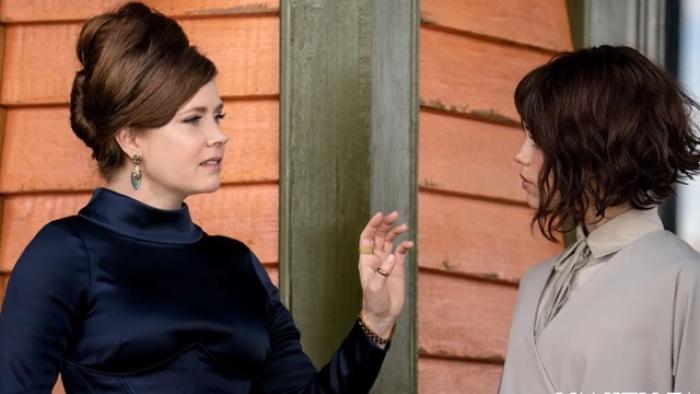
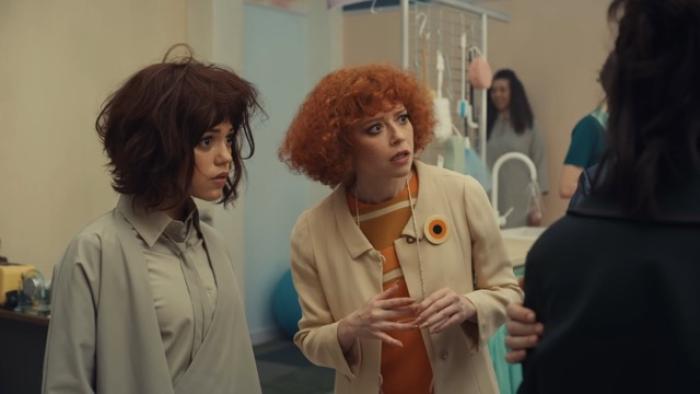
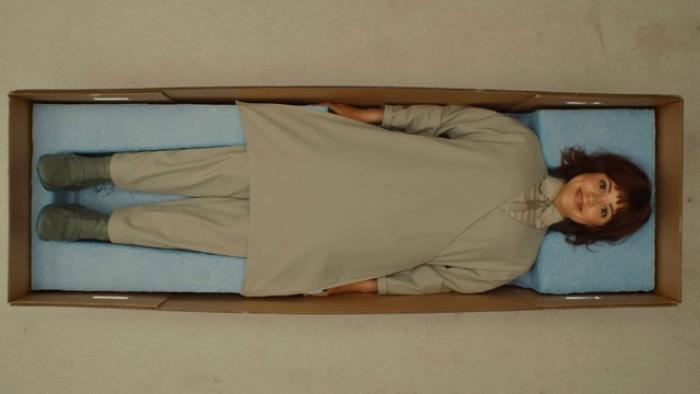
KLARA AND THE SUN is set in a futuristic, post-World War III world in which advances in genetic engineering allow for a new, trendy surgery where DNA can be "lifted" to maximize intelligence and creativity, something that chronically ill teenager Josie (Mia Tharia) has undergone at the behest of her single mother, Chrissy (Amy Adams). Chrissy also decides to purchase Klara (Jenna Ortega), an Artificial Friend android, to serve as a companion for Josie. As Klara observes the human world—and develops a fascination with the sun (which she views as a god, as it gives her life and nourishment)—she begins to question familial love, sacrifice, and what it truly means to be human. The movie was adapted from the same-named novel by Kazuo Ishiguro.
Is It Any Good?
Sweet and warm, director Taika Waititi's robot dramedy feels a bit like drinking a cup of sunshine. Klara's B-1 Artificial Friend model isn't infused with hyperintelligence and isn't wired to the internet (which no longer exists in the movie's world, as it apparently led to World War III): She learns from observations and information shared with her, like a human. This makes her like a child, viewing the world with wide-eyed wonder and innocence and longing for the very thing she's built for: a friend. And once she's been bought (or adopted), she aspires to be such a great friend that she isn't sent back. Klara isn't an AI threat; she's more like a humanistic pet.
In this film, AI isn't the worry—humans are. And in this case, it's specifically Chrissy, who is emotionally frozen to help protect herself from experiencing more grief. With only Josie to focus on, Chrissy puts all her maternal effort into making sure that her daughter has the absolute best life, no matter the cost. (Her decision to "lift" Josie seems meant to question parents who push their kids to achieve at high levels, pointing out that it's our differences and imperfections that make us lovable and human.) Despite Klara's bright, optimistic outlook, the movie's situations are quite dark—and fans of the source novel may be surprised by how Waititi paints over the book's serious, sad parts with a happy paintbrush. That choice, however, does make the story more palatable to families and casts Klara's outcome as a happy ending. And perhaps that's the joy of living in cheery Klara's perspective: Isn't it better to see the good in your situation, rather than wallowing in the bad?
Talk to Your Kids About ...
Families can talk about AI "friends" that currently exist and compare them to the Artificial Friends in Klara and the Sun. What are the potential benefits that could come from an artificial friend, and what are the known dangers?
If a "lifting" procedure were to exist in real life, do you think it's likely that parents would sign their children up for such a surgery? What kind of surgeries currently exist to increase "perfection"? Why do you think people feel compelled to chase that ideal?
If you've read Kazuo Ishiguro's source novel, compare it to the movie. Is the adaptation faithful? What bits from the book did you miss seeing on-screen?
Is the humans' treatment of the androids cruel? Why, or why not? Are humans replaceable? Why, or why not? Predict the future: What does your hometown look like in 100 years?
How does Klara demonstrate gratitude and perseverance? What does she do to be a good friend? Klara is like a child, learning from the people around her: How does this perspective keep the film feeling optimistic? How would the film be different if she saw herself as a victim or felt entitled to better treatment?
Movie Details
- In theaters : October 23, 2026
- Cast : Jenna Ortega , Amy Adams , Mia Tharia
- Director : Taika Waititi
- Studio : Sony Pictures Releasing
- Genre : Science Fiction
- Topics : Book Characters , Robots , STEM ( AI )
- Character Strengths : Gratitude
- Run time : 116 minutes
- MPAA rating :
- MPAA explanation : thematic elements, some violence and strong language
- Last updated : November 3, 2026
Did we miss something on diversity?
Research shows a connection between kids' healthy self-esteem and positive portrayals in media. That's why we've added a new "Diverse Representations" section to our reviews that will be rolling out on an ongoing basis. You can help us help kids by
Suggest an Update
Common Sense Media's unbiased ratings are created by expert reviewers and aren't influenced by the product's creators or by any of our funders, affiliates, or partners.
See how we rate