







Common Sense Media Review
 By Sandie Angulo Chen
,
based on child development research. How do we rate?
By Sandie Angulo Chen
,
based on child development research. How do we rate?
Controversial drama explores impact, risks of online life.
Parents Need to Know
Why Age 16+?
Any Positive Content?
Where to Watch
Videos and Photos





Men, Women & Children
What's the Story?
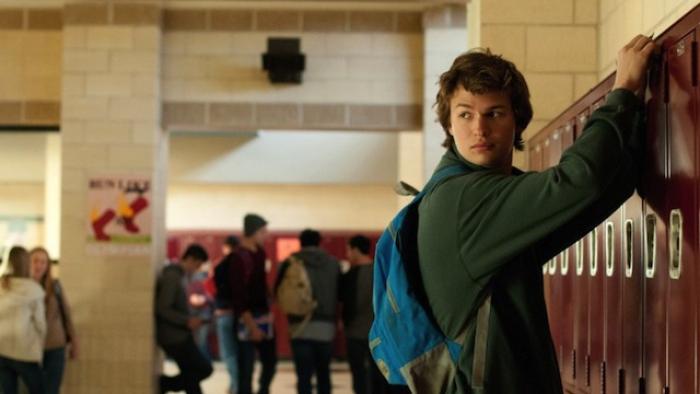
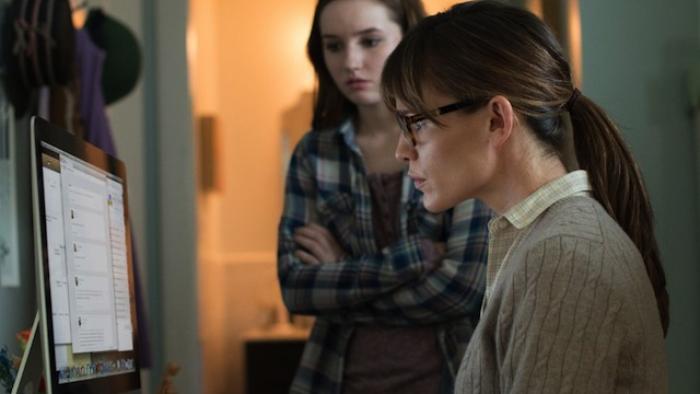
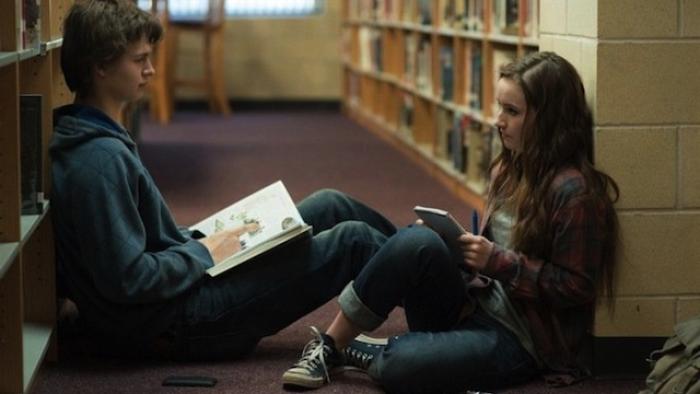
Jason Reitman's MEN, WOMEN & CHILDREN (based on the novel by Chad Kultgen) follows several interconnected teens and parents in suburban Texas, where football is king. There are cheerleaders like Hannah (Olivia Crocicchia) -- whose single mom, Donna (Judy Greer), takes sexy photos of her daughter for paying web subscribers in hopes of launching a modeling or acting career -- and formerly chubby Allison (Elena Kampouris), who spent the summer starving herself to achieve a thigh gap and hook up with a varsity athlete and turns to the web for "support" when she's tempted to actually eat something. There's football player Chris (Travis Tope), who's so addicted to deviant Internet porn that he can't get aroused by girls in real life. His former star teammate, Tim (Ansel Elgort), has decided to play an MMPORG instead of football in the wake of his mother's abandonment of him and his father (Dean Norris), while Tim's girlfriend, Brandy (Kaitlyn Dever), keeps her true online persona deep undercover because her high-strung mother (Jennifer Garner) tracks every single text, post, and chat Brandy engages in online. And Chris' parents, Don (Adam Sandler) and Helen (Rosemarie DeWitt), both find themselves looking outside of their stale marriage for the spark they so desperately miss.
Is It Any Good?
Reitman captures the ethos of the Internet age by showing close-ups of computer and smartphone screens as well as text messages that pop up in all their emojii glory as they're sent. It's the age of looking down at a screen instead of directly at other people, so every comment can be cattily dissected or mocked even as real-life conversations take place. The teen actors are all scarily believable in their roles, and although they're all good, Elgort and Dever stand out as the most worthy of the audience's investment. Elgort, who perfectly employs his brooding look and killer smile, questions his place in a universe where his mom has up and left for California with her lover, and Dever is beautifully expressive as a daughter so controlled by her uptight mother that she never knows when her mom will delete a text or unfriend someone on her behalf.
With so much going on, it's hard for Reitman to adequately focus on all of the movie's storylines. The adults, with the exception of Sandler and DeWitt, who each embark on Internet-aided affairs, aren't as well-developed as the teens in the film. While Greer's Donna is realistically (and even sympathetically) conflicted over how she let things with Hannah's website go so far, it's a shame that Garner's character -- the only adult who seems at all concerned about any media issues from the get go -- is portrayed as such an incredibly over-the-top helicopter parent. And some of the movie's plot elements seem overly obvious/heavy handed, even if there really are moms who impersonate their kids online, boys who are addicted to online porn, and girls who get pregnant after having sex just once. Yes, this is a cautionary tale (and watching as a parent, it's also more than a bit horrifying), but ideally it should spark "RL" (real life), face-to-face conversations about everything from sex and privacy to depression and self harm.
Talk to Your Kids About ...
Families can talk about the many different ways that social media and technology have changed the way people communicate, particularly teens -- both with one another and with parents. Is the movie realistic? Do you think it gives a fair and balanced view of how technology affects our lives?
How does the movie portray sex and sexuality in regards to the social media age? Is it more realistic than other movies? Why or why not? Parents, talk to your teens about your own values on these topics.
Some bullying takes place in the movie -- both verbal and in cyber form. How do the affected characters react? How do you think you'd react in their shoes? Why is it important to be an upstander?
Jennifer Garner's character is hyper vigilant about her daughter's media and technology use. Are her concerns valid? How is it made clear that she takes things too far? What might be a better way for parents and teens to approach limits and guidance when it comes to online life?
The film refers to websites that connect people who want to have affairs or hire escorts. How does the movie portray these sites? What are their real-life risks, and are the consequences fully explored in the story?
Movie Details
- In theaters : October 1, 2014
- On DVD or streaming : January 13, 2015
- Cast : Ansel Elgort , Judy Greer , Jennifer Garner
- Director : Jason Reitman
- Studio : Paramount Pictures
- Genre : Drama
- Topics : Book Characters , Friendship , School ( High School )
- Run time : 116 minutes
- MPAA rating :
- MPAA explanation : strong sexual content including graphic dialogue throughout - some involving teens, and for language
- Last updated : September 29, 2025
Did we miss something on diversity?
Research shows a connection between kids' healthy self-esteem and positive portrayals in media. That's why we've added a new "Diverse Representations" section to our reviews that will be rolling out on an ongoing basis. You can help us help kids by
Suggest an Update
Common Sense Media's unbiased ratings are created by expert reviewers and aren't influenced by the product's creators or by any of our funders, affiliates, or partners.
See how we rate