







Common Sense Media Review
 By Sandie Angulo Chen
,
based on child development research. How do we rate?
By Sandie Angulo Chen
,
based on child development research. How do we rate?
Outstanding drama about MLK's fight for equal rights.
Parents Need to Know
Why Age 13+?
Any Positive Content?
Where to Watch
Videos and Photos


Selma
Parent and Kid Reviews
Based on 16 parent reviews
Parents say this film is an essential and impactful educational tool, effectively depicting the Civil Rights movement and the historical events surrounding it, making it suitable for older children with proper context and discussions. While many reviewers praised its strong performances and emotional weight, some expressed concerns regarding the mature themes and violence, suggesting parental guidance may be necessary for younger viewers.
- essential viewing
- historical education
- strong performances
- mature themes
- emotional weight
 Summarized with AI
Based on 26 kid reviews
What's the Story?
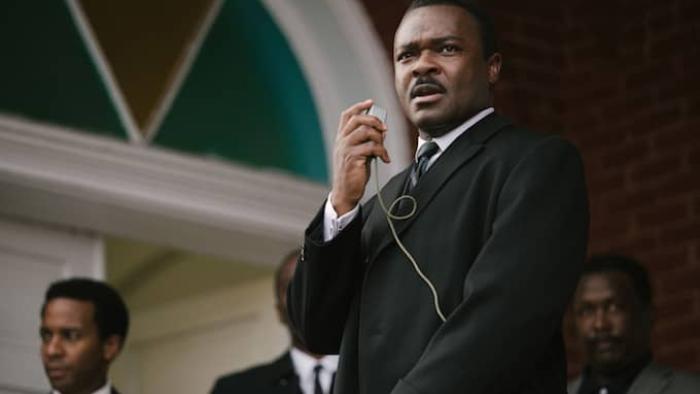
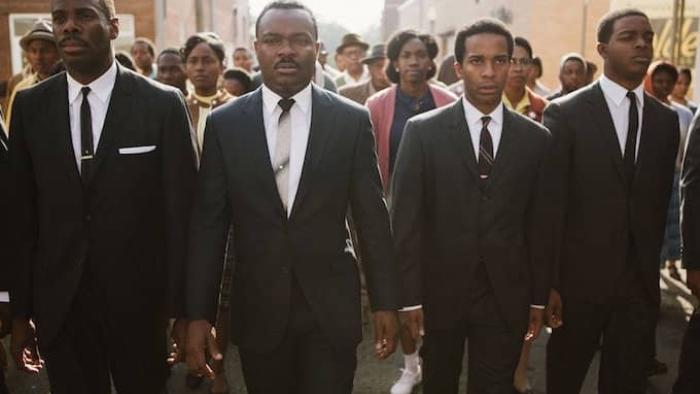
SELMA follows the three months between Martin Luther King Jr. (David Oyelowo) accepting his Nobel Peace Prize in Dec. 1964 and the Selma-to-Montgomery march for voters' rights in March 1965. King and his cohorts in the Southern Christian Leadership Conference want President Lyndon B. Johnson (Tom Wilkinson) to pass legislation protecting the voting rights of African Americans in the South, but Johnson (as portrayed here) has other pressing priorities and asks King to wait. But the SCLC -- with help from John Lewis (Stephan James) of the Student Non-Violent Coordinating Committee (SNCC) -- eventually goes forward with the march, which was televised, showing the entire nation how cruel and bloodthirsty the Alabama State Troopers were when the group attempted to cross the Edmund Pettus Bridge. As King attempts to lead the movement, he's undermined by the FBI, which tries to destroy his credibility by exposing King's infidelities to his wife, Coretta (Carmen Ejogo).
Is It Any Good?
Thanks to the fabulous performances, the gripping script, and the important subject matter, Selma is one of the finest films ever made about the civil rights movement. As Steven Spielberg and Tony Kushner did with Lincoln, Selma writer-director Ava DuVernay focuses on a very specific time in a legendary historical figure's life, rather than taking a sweeping, generalized look at Martin Luther King Jr.'s whole life. The result is an important drama that's remarkable in scope and relevance to the continued national issues surrounding institutional racism. Oyelowo, who starred in DuVernay's previous feature, may be British, but he's perfectly cast as the civil rights leader, and Ejogo is excellent as Coretta Scott King (she played her before in the critically acclaimed HBO Film Boycott). Together they capture a picture of the Kings that's honest and not idealized. DuVernay doesn't gloss over the fact that the FBI monitored King and exposed his infidelities to Coretta. But his failings as a husband, while worth mentioning, don't take away from the importance of his work.
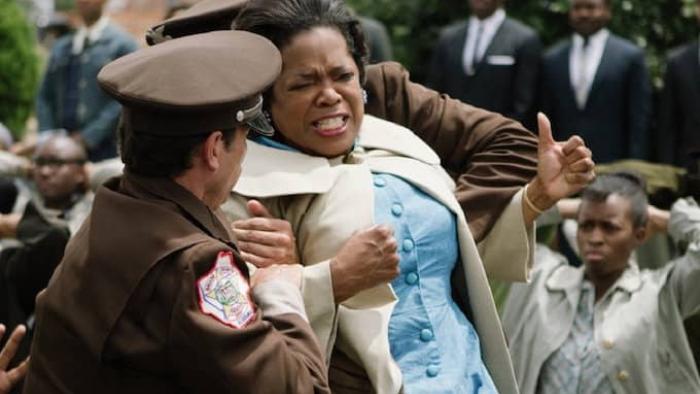
What's especially powerful about Selma is that it's not all-consumingly grim and upsetting (although there are a few nearly unbearable moments when it's hard not to cry). Yes, there are white supremacists yelling the "N" word and beating nonviolent protestors, but there are also bits of humor -- like when King and a seemingly never-ending group of friends descend on a preacher's home for his wife's cooking, or when Johnson tells Alabama Governor George Wallace (Tim Roth) exactly what history will say about him. There's even romance -- like the Kings dancing in their Nobel Prize gala finery. In addition to Oyelowo, Wilkinson, and Ejogo, standout performances include James as the young John Lewis, Wendell Pierce as Reverend Hosea Williams, and Oprah Winfrey as a woman who's unable to register to vote.
Talk to Your Kids About ...
Families can talk about why Martin Luther King Jr. is one of the most influential people of the 20th century. What is the lasting legacy of the civil rights movement? How have things changed since 1965 when Selma takes place? How haven't they?
How do the lessons from the civil rights movement apply today? Are people still discriminated against? How can that be remedied? What methods could kids today use to protest injustice? What are the differences between a protest and a riot? How does the media typically depict protests? For more resources and lessons based on the series, check out the official learning guide.
How does Selma promote courage and integrity? What about self-control and perseverance? Why are these important character strengths?
Why are voters' rights frequently in the news? Are you interested in learning more about civil rights and how they're still being fought for in the United States? How could you do that?
Some have criticized Selma for bending the truth in the way certain figures in the movie are portrayed -- particularly President Johnson. Why might filmmakers not adhere strictly to the facts? Do you think that undermines the movie's message in any way? How could you find out more about the actual events and people portrayed in the film?
Movie Details
- In theaters : December 25, 2014
- On DVD or streaming : May 5, 2015
- Cast : David Oyelowo , Carmen Ejogo , Tim Roth
- Director : Ava DuVernay
- Studio : Paramount Pictures
- Genre : Drama
- Topics : History
- Character Strengths : Courage , Integrity , Perseverance , Self-control
- Run time : 122 minutes
- MPAA rating :
- MPAA explanation : disturbing thematic material including violence, a suggestive moment, and brief strong language
- Award : Common Sense Selection
- Last updated : October 9, 2025
Did we miss something on diversity?
Research shows a connection between kids' healthy self-esteem and positive portrayals in media. That's why we've added a new "Diverse Representations" section to our reviews that will be rolling out on an ongoing basis. You can help us help kids by
Suggest an Update
Common Sense Media's unbiased ratings are created by expert reviewers and aren't influenced by the product's creators or by any of our funders, affiliates, or partners.
See how we rate