







Common Sense Media Review
 By Jose Solis
,
based on child development research. How do we rate?
By Jose Solis
,
based on child development research. How do we rate?
French soccer docu with language, racism, media harassment.
Parents Need to Know
Why Age 14+?
Any Positive Content?
Where to Watch
Videos and Photos

The Bus: A French Football Mutiny
Parent and Kid Reviews
What's the Story?
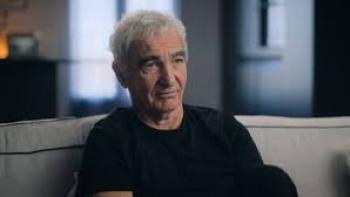
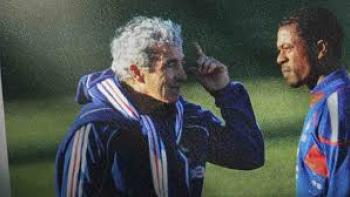
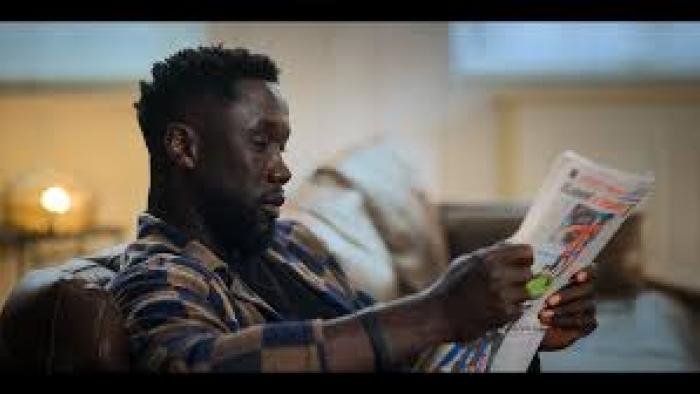
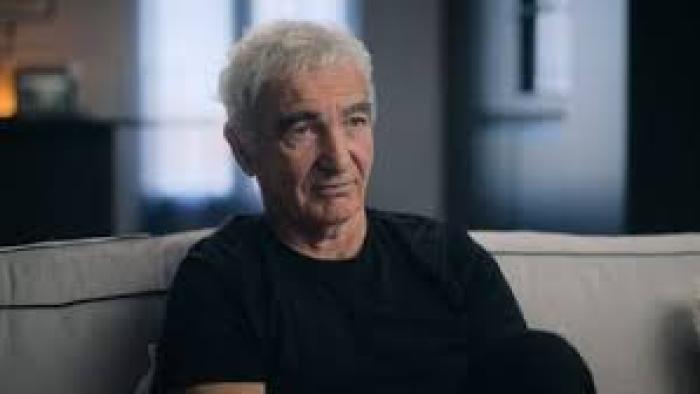
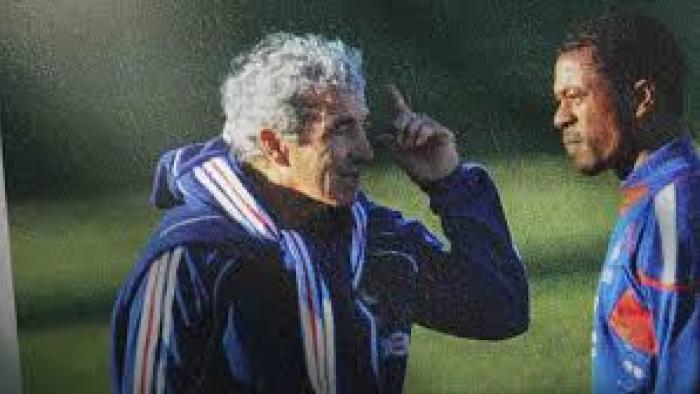
In THE BUS: A FRENCH FOOTBALL MUTINY, directors Christophe Astruc and Jérôme Fritel revisit the French men's national soccer team's crisis during the 2010 World Cup in South Africa. The documentary follows the events that led the players to refuse training and stay on their bus after a conflict involving the team, coach Raymond Domenech, and the French football establishment. Players including Patrice Evra speak about what happened, while William Gallas and Bacary Sagna also share their memories of the tournament. The film includes interviews with former Minister of Sports Roselyne Bachelot and others connected to the story, tracing how a private team conflict became a national scandal shaped by the press, public anger, racism, and questions of leadership.
Is It Any Good?
Who is believed when a team made up largely of Black French players refuses to keep following a story written by everyone around them? The Bus: A French Football Mutiny turns a famous sports scandal into something richer and sadder, a story that many people thought they knew, even though the players themselves were rarely allowed to explain it. Directors Christophe Astruc and Jérôme Fritel shape the documentary like a mystery with Citizen Kane undertones, letting players, coaches, officials, and journalists remember what happened in their own words. The film doesn't push one easy answer. It lets viewers listen, notice who takes responsibility and who avoids it, and understand why the bus strike was more than a team refusing to practice.
The strongest moments come when the players describe what the scandal cost them. Patrice Evra's memories of racism, classism, and football as a way out of danger are especially moving, and the film shows how much the 2010 World Cup meant to players who had grown up watching France's 1998 team become heroes. Raymond Domenech comes across as the worst kind of leader: arrogant, evasive, and cold toward the people he was supposed to protect. The documentary points toward racism and colonial history more than it fully names them, which feels like a missed chance because the same patterns are still visible in European football. But the connections are clear, especially in the harsh press coverage that helped turn players into villains. Clear, tense, and quietly furious, the movie becomes a valuable public record by giving people who were unfairly demonized a chance to speak.
Talk to Your Kids About ...
Families can talk about what a coach or leader should do to protect a team during a crisis. What did the documentary show about what can happen when leaders care more about protecting themselves than supporting the people they lead?
Why do public stories about athletes become so powerful? How can fans, journalists, and viewers tell the difference between accountability and public shaming?
The movie gives players a chance to explain what happened in their own words. Why does it matter who gets to tell the story, especially when racism, class, and national identity are part of the conflict?
Movie Details
- On DVD or streaming : May 13, 2026
- Cast : Patrice Evra , Raymond Domenech , William Gallas , Bacary Sagna
- Directors : Christophe Astruc , Jérôme Fritel
- Studio : Netflix
- Genre : Documentary
- Topics : Activism , Sports ( Soccer )
- Character Strengths : Compassion , Courage , Empathy , Integrity , Teamwork
- Run time : 81 minutes
- MPAA rating :
- Last updated : May 22, 2026
Did we miss something on diversity?
Research shows a connection between kids' healthy self-esteem and positive portrayals in media. That's why we've added a new "Diverse Representations" section to our reviews that will be rolling out on an ongoing basis. You can help us help kids by
Suggest an Update
Common Sense Media's unbiased ratings are created by expert reviewers and aren't influenced by the product's creators or by any of our funders, affiliates, or partners.
See how we rate