







Common Sense Media Review
 By S. Jhoanna Robledo
,
based on child development research. How do we rate?
By S. Jhoanna Robledo
,
based on child development research. How do we rate?
Taut book-based thriller has drinking, violence, sex.
Parents Need to Know
Why Age 17+?
Any Positive Content?
Where to Watch
Videos and Photos


The Girl on the Train

Parent and Kid Reviews
Based on 9 parent reviews
Based on 20 kid reviews
Kids say the film features an engaging plot twist and psychological tension, but contains excessive violence, sexual content, and strong language that makes it unsuitable for younger audiences. While some viewers appreciate its thrilling narrative and connection to the book, many express disappointment with the film's execution and portrayal of characters, finding it lacking compared to the source material.
- strong language
- violent content
- sexual scenes
- character portrayal
- disappointing adaptation
- thriller elements
 Summarized with AI
What's the Story?
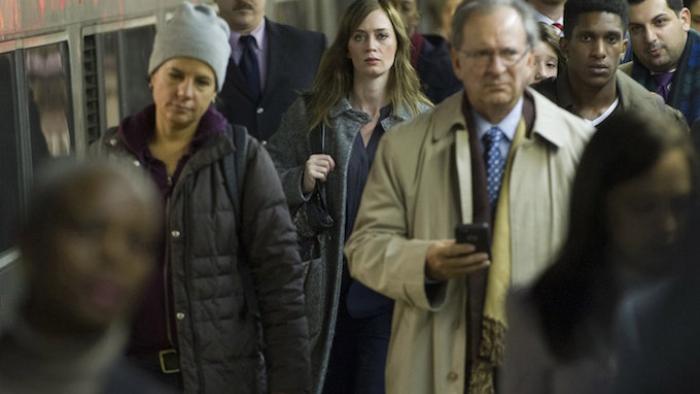
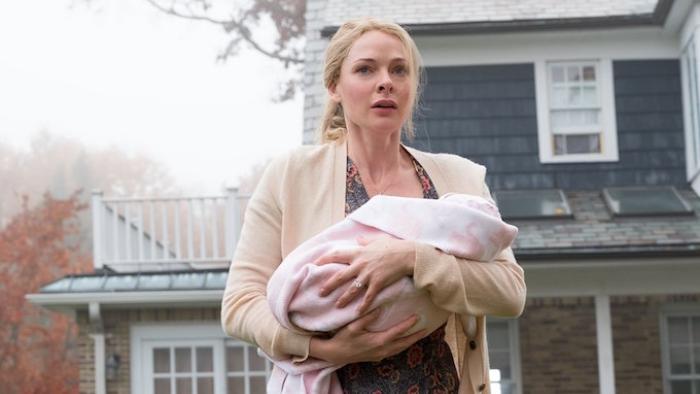
In THE GIRL ON THE TRAIN, Rachel (Emily Blunt) is a serious alcoholic who's fixated on her ex-husband (Justin Theroux), his new wife (Rebecca Ferguson), their baby, and their seemingly perfect life. Every day Rachel rides the train right past her old home -- now their home -- intently looking for clues about the life she's missing out on. She's also become fixated on a couple that lives a few doors down. They seem just as happy together, until one day the wife (Haley Bennett) goes missing, and Rachel wakes up covered in blood, with no recollection of what she did the night before.
Is It Any Good?
This thriller is atmospheric and suspenseful, like the best-selling Paula Hawkins novel it's based on. And it has a strong star in Blunt, who carries the weight of Rachel's alcohol dependency, an awful cocktail mixed with grief and self-hatred. But the film lacks heft. It captures the escape that voyeurism provides -- who among us hasn't looked into apartments, cars, or, yes, trains as they pass by, wondering about the lives of the people in them? But its heroes and villains are painted with a one-dimensional brush, either evil and angry, icy (usually the female characters), or simply a big hot mess. (This might explain the unintended audience laughs at inopportune moments.)
It almost feels like a lot of The Girl on the Train's potential was left on the cutting room floor, taken out for brevity or simplicity. But characters like these deserve complex treatment. And audiences need more than just the (expected) twist in the end if you want to leave them puzzling over a movie after the credits roll. What we get instead is an interesting enough, creepy enough experience, but with a healthy dash of "seen this before."
Talk to Your Kids About ...
Families can talk about how The Girl on the Train depicts drinking. Is it glamorized? Are the consequences realistic? Why does that matter?
How does the violence in this movie compare to what you've seen in other thrillers and/or horror movies? Do some kinds of violence have more impact than others?
How does Rachel demonstrate empathy for the woman she fixates on? Does that make her a more appealing/sympathetic character? Are we intended to like her?
If you've read the book: How closely does the film follow it? What's different? Why do you think the filmmakers decided to make those changes?
What do you think about the way couples are portrayed in the film? Can you ever really know what someone else's relationship is really like in private?
Movie Details
- In theaters : October 7, 2016
- On DVD or streaming : January 17, 2017
- Cast : Emily Blunt , Luke Evans , Haley Bennett , Justin Theroux
- Director : Tate Taylor
- Studio : Universal Pictures
- Genre : Thriller
- Topics : Book Characters
- Run time : 112 minutes
- MPAA rating :
- MPAA explanation : violence, sexual content, language and nudity
- Last updated : October 8, 2026
Did we miss something on diversity?
Research shows a connection between kids' healthy self-esteem and positive portrayals in media. That's why we've added a new "Diverse Representations" section to our reviews that will be rolling out on an ongoing basis. You can help us help kids by
Suggest an Update
Common Sense Media's unbiased ratings are created by expert reviewers and aren't influenced by the product's creators or by any of our funders, affiliates, or partners.
See how we rate