







Common Sense Media Review
 By Kat Halstead
,
based on child development research. How do we rate?
By Kat Halstead
,
based on child development research. How do we rate?
Influential crime docu about a wrongful murder conviction.
Parents Need to Know
Why Age 14+?
Any Positive Content?
Where to Watch
Videos and Photos

The Thin Blue Line
Parent and Kid Reviews
What's the Story?
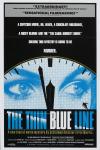
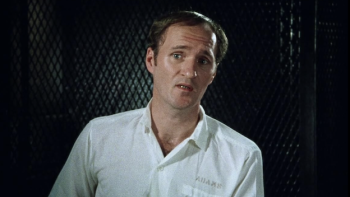
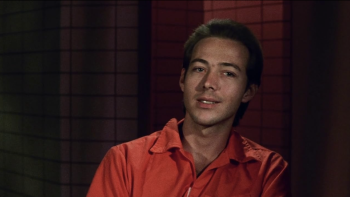
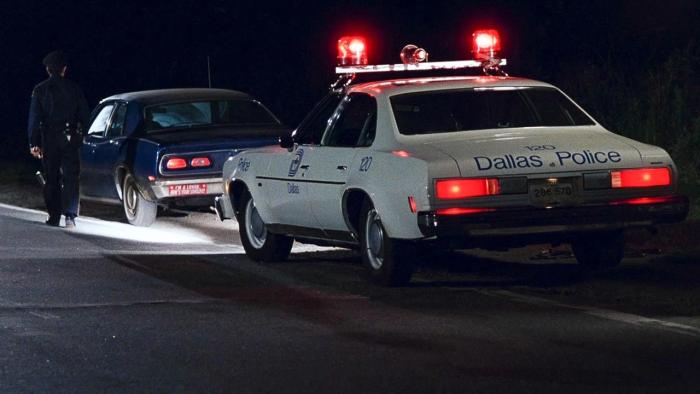
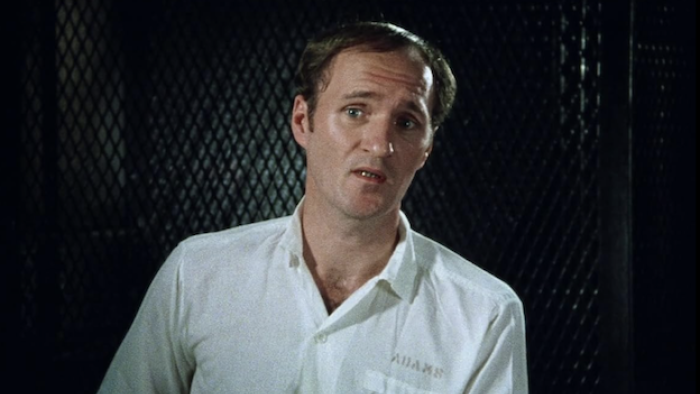
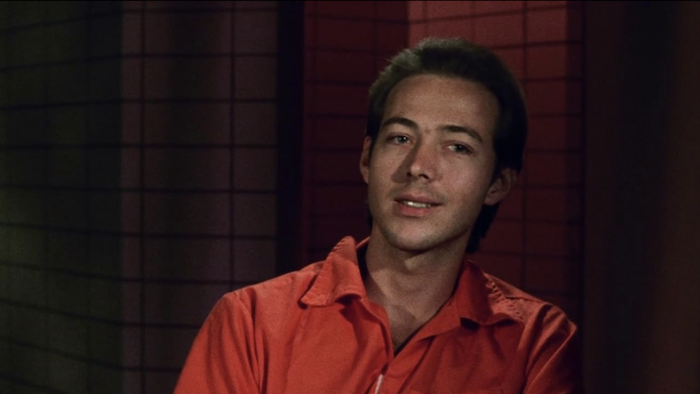
In THE THIN BLUE LINE, filmmaker Errol Morris investigates the 1976 murder of a police officer in Dallas County, Texas. Through interviews with the man convicted of the crime, Randall Adams, the teen whose testimony put him in jail, David Harris, and police officers, lawyers, and district attorneys involved in the case, Morris questions whether there was a huge miscarriage of justice.
Is It Any Good?
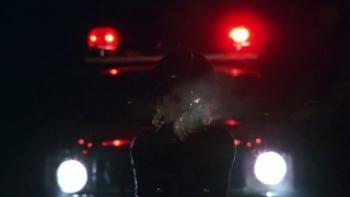
Before true crime shows were everywhere, this was one of the first murder documentaries to really hit the mainstream. Both in terms of its visual style and the impact it had on the outcome of the case, The Thin Blue Line's legacy has been significant. It made the use of reconstructions a central part of crime documentaries, and Morris' slow-motion and film noir-style lighting and angles, along with the ominous score by award-winning composer Philip Glass, introduced a more stylized, cinematic approach to the genre. But in a sea of now similar-looking productions flooding Netflix and other streaming platforms, it may feel a little slow and repetitive to modern audiences. That said, its most memorable impact remains as powerful as ever—getting an innocent man exonerated.
Talk to Your Kids About ...
Families can talk about The Thin Blue Line having an impact on its subject in real life. Did you know it got a wrongly accused man exonerated from a life sentence? Can you think of other documentaries that have made an impact on their subjects in real life?
What are some of the ethical considerations of making movies about real-life crimes? Why do you think people find murder documentaries in particular so compelling? Do you think it's important for filmmakers to weigh up showing respect and empathy with the need to make it entertaining?
What techniques did the movie use to tell its story? How were they similar or different to other crime documentaries? Which aspects did you find the most impactful? Compare the approach to crime documentaries with techniques used in other types of documentary. In what ways do they crossover and in what ways are they different?
Discuss the strong language used in the film. Is a certain kind of language expected in a film like this?
Movie Details
- In theaters : August 25, 1988
- On DVD or streaming : March 24, 2015
- Cast : Randall Adams , David Harris , Gus Rose
- Director : Errol Morris
- Studio : Miramax
- Genre : Documentary
- Run time : 101 minutes
- MPAA rating :
- Last updated : July 16, 2026
Did we miss something on diversity?
Research shows a connection between kids' healthy self-esteem and positive portrayals in media. That's why we've added a new "Diverse Representations" section to our reviews that will be rolling out on an ongoing basis. You can help us help kids by
Suggest an Update
Common Sense Media's unbiased ratings are created by expert reviewers and aren't influenced by the product's creators or by any of our funders, affiliates, or partners.
See how we rate