







Common Sense Media Review
 By Jennifer Green
,
based on child development research. How do we rate?
By Jennifer Green
,
based on child development research. How do we rate?
Animal docu stars Indian conservationists; some violence.
Parents Need to Know
Why Age 6+?
Any Positive Content?
Where to Watch
Videos and Photos


Tigers on the Rise

Parent and Kid Reviews
What's the Story?
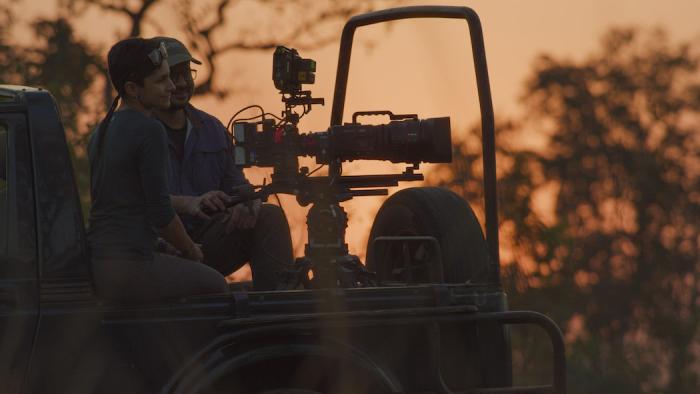
In TIGERS ON THE RISE, a companion piece to Disneynature's Tiger, a cast of Indian doctors, wildlife specialists, forest guards, researchers, conservationists, and filmmakers are interviewed and followed as they help to support the repopulation of tigers in India. Their projects show that the Indian government is investing in their programs, which are direly needed to help teach Indians about proper behavior around tigers, and to ensure that humans will be able to coexist with tigers as habitats grow ever more intertwined. The film is narrated by actor Blair Underwood and offers both data and behind-the-scenes views of the conservation efforts and the making of the film Tiger.
Is It Any Good?
This educational documentary, released for Earth Day in tandem with sister film Tiger, both complements and raises questions about its companion piece. In Tigers on the Rise, we get to see how the fascinating Tiger got made. It involved many people, more than five years of work, state-of-the-art equipment, and a good dose of courage. The filmmakers had to earn the trust of the tigers to get close, and they find themselves feeling attached to their subjects. If the stars of Tiger are the animals themselves, the stars of Tigers on the Rise are the Indian doctors, researchers, guards, and conservationists working every day to preserve and support India's tiger population.
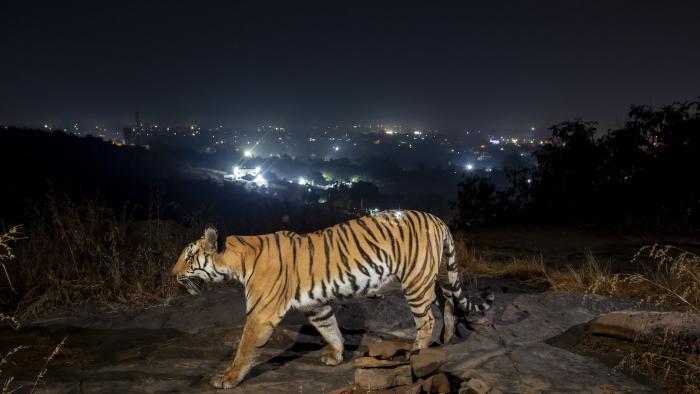
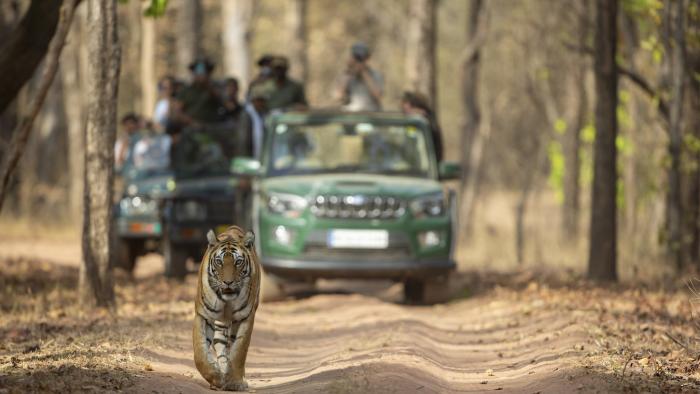
Some of their projects, like "re-wilding" farmland or painting eyes on cows' rear ends, are ingenious. This film shows how India's protected reserves are increasingly butting up against populated villages and cities, leading to more interactions between tigers and humans. It makes the viewer of the two films wonder what we aren't shown in Tiger. Which footage is the same, and which is new? Are the animals featured in Tiger also living that close to humans, even though their habitat is depicted as wild and vast? The questions don't diminish the viewing experience of either film, but they do cast a shadow of doubt over the nature documentary format. A more authentic and holistic view might have been achieved by combining the two films.
Talk to Your Kids About ...
Families can talk about each of the main stars of Tigers on the Rise. How do they show integrity in their work? How does each contribute to the preservation of tigers?
One man feels conflicted after capturing a tiger responsible for killing a woman. That tiger will be sent to a zoo, never to know freedom or live in the wild again. What do you think about this?
What did you learn about India's forests and the preservation of the tiger population from this documentary? Where can you go for more information about specific organizations and projects discussed in this film?
How does this film complement Tiger, the companion film released on the same day by Disney? Did it change the way you viewed the other documentary?
Movie Details
- On DVD or streaming : April 22, 2024
- Cast : Blair Underwood
- Directors : Rob Sullivan , Alistair Tones
- Studio : Disneynature
- Genre : Documentary
- Topics : Activism , Animals ( Wild Animals )
- Character Strengths : Integrity
- Run time : 77 minutes
- MPAA rating :
- Award : Common Sense Selection
- Last updated : September 18, 2025
Did we miss something on diversity?
Research shows a connection between kids' healthy self-esteem and positive portrayals in media. That's why we've added a new "Diverse Representations" section to our reviews that will be rolling out on an ongoing basis. You can help us help kids by
Suggest an Update
Common Sense Media's unbiased ratings are created by expert reviewers and aren't influenced by the product's creators or by any of our funders, affiliates, or partners.
See how we rate