







Common Sense Media Review
 By Jill Murphy
,
based on child development research. How do we rate?
By Jill Murphy
,
based on child development research. How do we rate?
Hit sci-fi drama has violence, mature themes, suicide.
Parents Need to Know
Why Age 14+?
Any Positive Content?
Where to Watch
Videos and Photos


Lost


Parent and Kid Reviews
Based on 46 parent reviews
Parents say the series is a captivating and intense experience with complex characters and deep themes, suitable for older teens and mature viewers, while it includes moments of violence and suggestive scenes that may not be appropriate for younger children. Many families found it engaging to watch together, prompting discussions about morality, survival, and the intricacies of human relationships, though the convoluted plot may overwhelm some viewers.
- intense experience
- complex characters
- suitable for teens
- engaging family viewing
- deep themes
 Summarized with AI
Based on 172 kid reviews
Kids say this show is an incredible mix of suspense, action, and complex storytelling, capturing their attention with numerous plot twists and character development, though it might get a bit confusing as the seasons progress. While many viewers recommend it for older kids due to some violence, drug use, and mature themes, they also highlight its positive messages of teamwork and personal growth, making it a compelling watch for families willing to engage in conversations about those topics.
- twists and turns
- character development
- mature themes
- recommend for older kids
- family discussions
Summarized with AI
What's the Story?
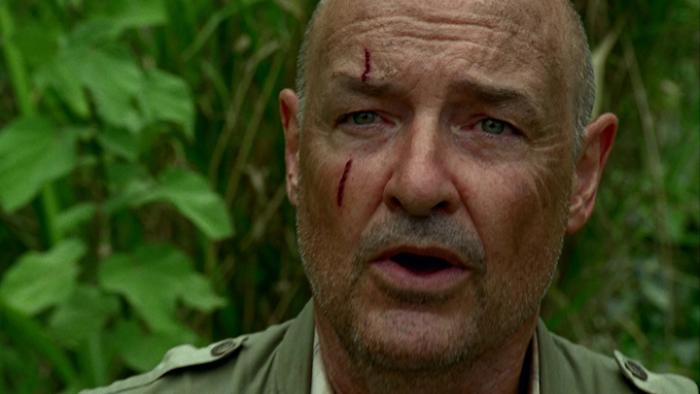
In LOST, a group of strangers aboard Oceanic Airlines Flight 815 crash-lands on a deserted island. Among them, Jack (Matthew Fox), Kate (Evangeline Lilly), Charlie (Dominic Monaghan), Sayid (Naveen Andrews), Shannon (Maggie Grace), Jin (Daniel Dae Kim), Sun (Yunjin Kim), Claire (Emilie de Ravin), Hurley (Jorge Garcia), Sawyer (Josh Holloway), Walt (Malcolm David Kelley), John (Terry O'Quinn), Michael (Harold Perrineau), and Boone (Ian Somerhalder) must learn to adapt and survive. Gradually, more about each character is revealed, new characters emerge, and their stories begin to connect and unfold, alongside the bizarre mystery of the island itself.
Is It Any Good?
This show's interlocking puzzle of characters, secrets, and endless discoveries makes for an enticing sci-fi drama. Lost could be considered the TV version of a board game. There are compelling questions left at the end of each episode, and vast amounts of room for interpretation. The flashback structure allows the show to delve into great detail of each character's life and gives characters a level of complexity beyond their behavior on the island. The enthralling blend of mystery and drama tends to overshadow the violence that occurs along the way—a winning combination that kept viewers eagerly hypothesizing throughout the original run and has led the show to achieve cult status since.
Talk to Your Kids About ...
Families can talk about the themes of sacrifice and redemption in Lost. Can you think of examples of characters who went some way to redeeming their past by making sacrifices for others?
Talk about the idea of fate, which plays a pivotal role on the show. Do you believe everything happens for a reason? What is the role of fate in the series?
The mystery of the island and the embedded clues are a big part of the show. Does sharing theories about what's happening add to your viewing experience?
The show follows a diverse group of characters. Do you think writers successfully challenge stereotypes? Or do you see times when the show leans into them? Why is it important to see different kinds of people and life experiences on-screen?
How do the characters on Lost demonstrate courage and teamwork? Why are those important character strengths?
TV Details
- Premiere date : September 22, 2004
- Cast : Dominic Monaghan , Evangeline Lilly , Matthew Fox , Michael Emerson
- Network : ABC
- Genre : Drama
- Character Strengths : Courage , Teamwork
- TV rating :
- Awards : Emmy - Emmy Award Winner , Golden Globe - Golden Globe Award Winner , NAACP Image Award - NAACP Image Award Nominee
- Last updated : January 11, 2026
Did we miss something on diversity?
Research shows a connection between kids' healthy self-esteem and positive portrayals in media. That's why we've added a new "Diverse Representations" section to our reviews that will be rolling out on an ongoing basis. You can help us help kids by
Suggest an Update
Common Sense Media's unbiased ratings are created by expert reviewers and aren't influenced by the product's creators or by any of our funders, affiliates, or partners.
See how we rate