






Common Sense Media Review
 By Marina Gordon
,
based on child development research. How do we rate?
By Marina Gordon
,
based on child development research. How do we rate?
Clear-eyed docu celebrates talented women facing racism.
Parents Need to Know
Why Age 10+?
Any Positive Content?
Where to Watch
Videos and Photos


How It Feels to Be Free
Parent and Kid Reviews
What's the Story?
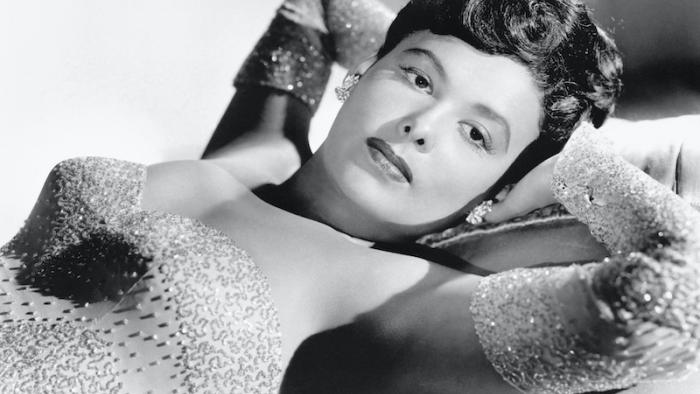
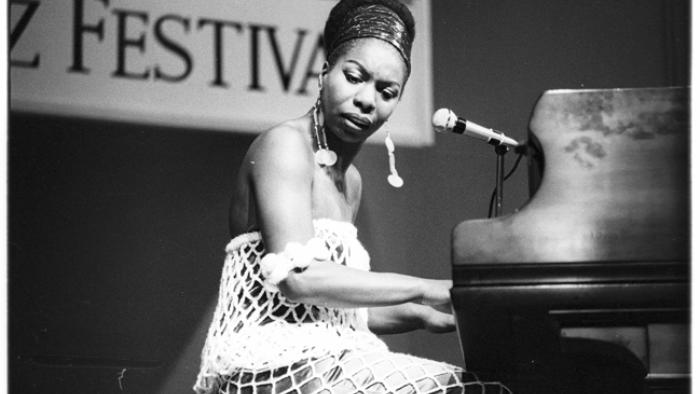
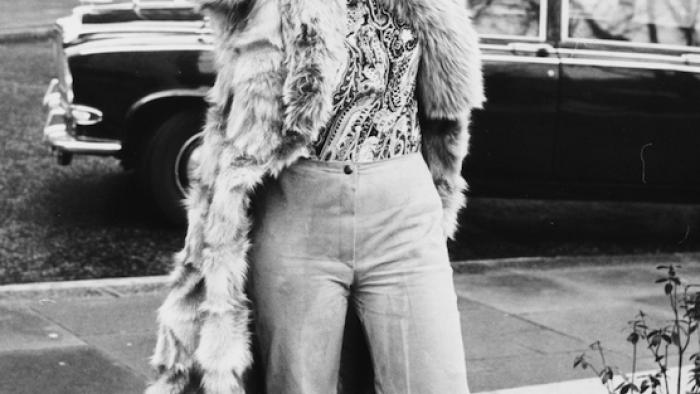
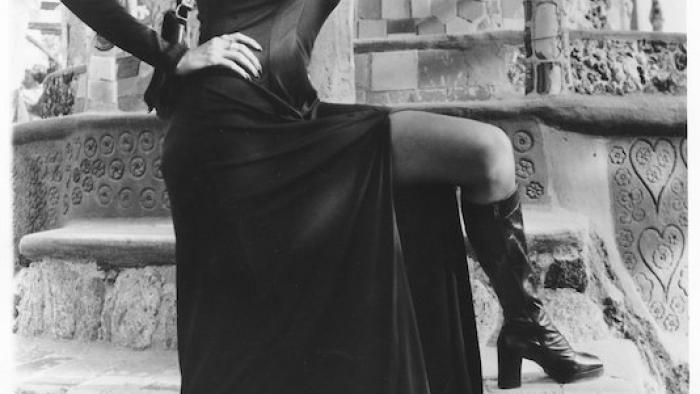
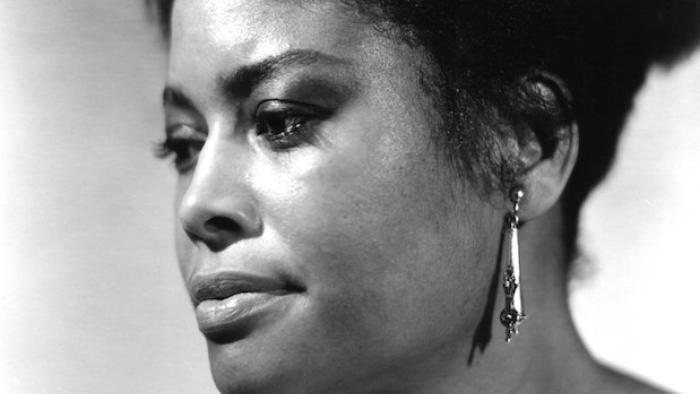
HOW IT FEELS TO BE FREE spotlights six groundbreaking Black performers -- Lena Horne, Cicely Tyson, Nina Simone, Abbey Lincoln, Diahann Carroll, and Pam Grier -- and explores the risks they took to force changes in how they and their artistic heirs would be perceived. In addition to archival clips with all the perfomers and recent interviews with Grier, contemporary artists Alicia Keys (who executive produced the documentary), Lena Waithe (named for Horne), Halle Berry, and Samuel L. Jackson address how the women's influence helped make their careers possible. How It Feels To Be Free, an episode of PBS's American Masters, is based on the book by Ruth Feldstein, who comments here along with other writers and cultural observers.
Is It Any Good?
Each of the women profiled here is worthy of a full-length documentary, but seeing them together gives viewers a primer on their impact on both entertainment and the social movements of their times. Viewers familiar with the careers of the six performers in How It Feels To Be Free will likely see them anew in the context of the Civil Rights Movement. Others who may not know the women's stories will marvel at their determination, talent, and influence.
Some viewers may be tempted to say "so much has changed," and in ways much has. Lena Horne, for example, was among the earliest Black actors signed to a long-term studio contract, but after only two speaking parts and expectations that she "pass" as Latina in the 1940s, MGM relegated Horne to singing roles that could be edited out for Southern markets that refused to show a movie with a Black actor who wasn't playing a servant. Yet 80 years later there's been just one Black Best Actress Oscar winner (Halle Berry, who talks in the documentary about the debt she owes to the women covered here). It's particularly poignant to review Cicely Tyson's lengthy career; she died at 96 just days after How It Feels To Be Free was released, and she worked right up to the end.
Talk to Your Kids About ...
Families can talk about documentaries. How does How It Feels To Be Free tell the story of these six women's lives and careers? Who would you want to know more about? Who else could have been included?
Who are some other examples of musicians, writers, filmmakers, and actors who also used their art to confront and address political and human rights issues?
Often, when celebrities, musicians, and athletes speak out against injustice or an issue of concern that falls beyond what they do for a living, some people tell them to "shut up and stick to [your job]." What are your thoughts on this? Should those in the spotlight speak out, protest, and express their convictions, or is their role to simply provide entertainment and a temporary escape for their fans?
TV Details
- Premiere date : January 18, 2021
- Cast : Cicely Tyson , Nina Simone , Alicia Keys
- Network : PBS
- Genre : Educational
- TV rating :
- Award : Common Sense Selection
- Last updated : January 5, 2022
Did we miss something on diversity?
Research shows a connection between kids' healthy self-esteem and positive portrayals in media. That's why we've added a new "Diverse Representations" section to our reviews that will be rolling out on an ongoing basis. You can help us help kids by
Suggest an Update
Common Sense Media's unbiased ratings are created by expert reviewers and aren't influenced by the product's creators or by any of our funders, affiliates, or partners.
See how we rate