







Common Sense Media Review
Iconic, diverse pirate anime has fights, sexual violence.
Parents Need to Know
Why Age 13+?
Any Positive Content?
Where to Watch
Videos and Photos


One Piece
Parent and Kid Reviews
Based on 89 parent reviews
Parents say the show is a beloved anime that captivates many viewers with its adventurous storytelling and deep themes, but it has sparked significant debate over its appropriateness for younger audiences due to instances of violence, sexualization, and mature content. While some praise its messages of friendship and perseverance, others strongly caution against letting children under 13 watch it, citing concerns about explicit themes and character behaviors that could be inappropriate for that age group.
- mature content
- age recommendations
- positive messages
- explicit themes
- violence present
- sexualization issues
 Summarized with AI
Based on 265 kid reviews
Kids say the show is a well-crafted anime that appeals to a wide age range, particularly tweens and teens, although it contains some mature themes, including mild violence, innuendo, and complex narratives that may not be fully appreciated by younger viewers. While many fans praise its strong messages of friendship and teamwork, as well as its impressive world-building, some express concerns about the occasional sexualization of female characters and other adult themes that emerge as the series progresses.
- age-appropriate
- strong messages
- world-building
- mature themes
- character portrayal
Summarized with AI
What's the Story?
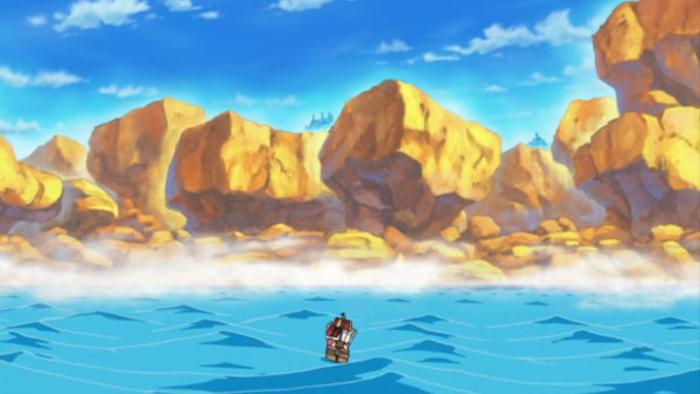
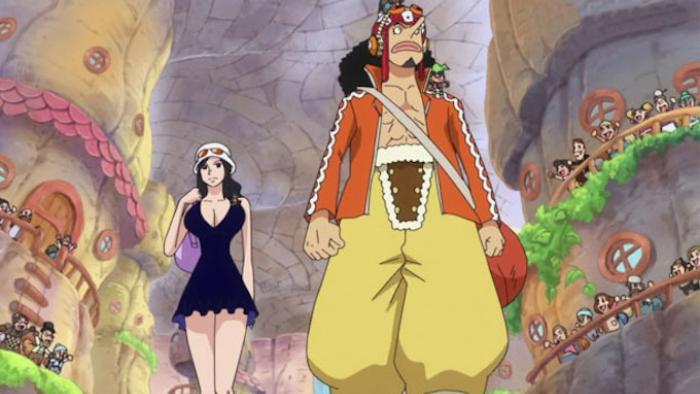
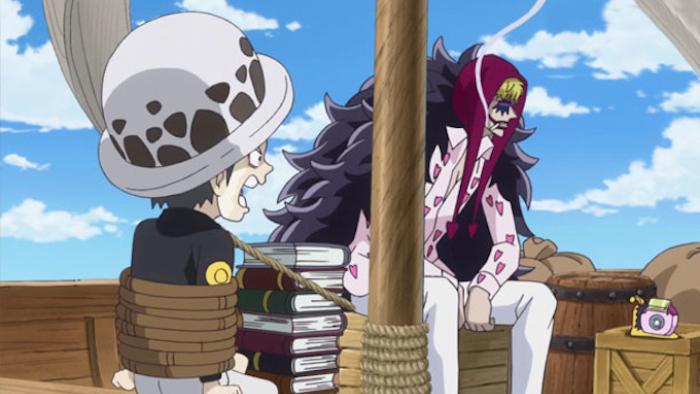
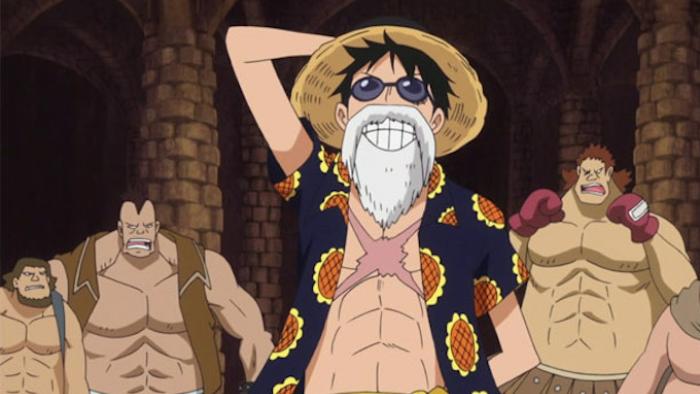
In ONE PIECE, a 17-year-old named Monkey D. Luffy (voiced by Mayumi Tanaka in the original version and Colleen Clinkenbeard in the English dub) dreams of becoming the next pirate king. He sets off to the open ocean to find a ship, gather a crew, and follow the clues to find the lost treasure of the previous pirate king, Gol D. Rodger (Shunsuke Sakuya/Sean Hennigan). With an entire ocean full of rival pirates––not to mention the Marines trying to capture them––the journey won't be an easy one. But with their unbreakable bond, the newly formed Straw Hat crew is willing to take on all this and more in order to make their life-long dreams come true.
Is It Any Good?
Even though this fantasy series has very cartoon-like humor, it's well-rounded with as many serious bits as funny ones. To some viewers, that might be a turn off, but One Piece does make the crew's journey and struggles all the more captivating with these deep story arcs.
The characters are unique and bounce off each other well. It's hard not to smile at some of the crew's antics––and even harder not to cry for them when they go through tough times. While One Piece has more mature themes compared to younger-skewing anime works, older tweens and up can have a fun romp while watching this gem.
Talk to Your Kids About ...
Families can talk about what separates Luffy and the Straw Hat crew from the other pirates in One Piece. Does this make them good or bad? Can you think of other characters with unique, even law-breaking careers on television or in the movies that you root for?
What are some of your dreams? What steps are you taking to achieve them, and how far are you willing to go?
How does the violence here compare to that of other anime shows? What does it contribute to the story? Do you find any of it problematic? If so, why?
How do the characters demonstrate compassion, courage, and integrity? Why are these important character strengths?
TV Details
- Premiere date : September 18, 2004
- Cast : Mayumi Tanaka , Colleen Clinkenbeard , Akemi Okamura , Luci Christian , Kazuya Nakai , Tony Beck
- Network : Cartoon Network
- Genre : Kids' Animation
- Topics : Adventures , Book Characters , Fantasy ( Magic ) , Friendship , Pirates , Transportation
- Character Strengths : Compassion , Courage , Integrity
- TV rating :
- Last updated : May 11, 2026
Did we miss something on diversity?
Research shows a connection between kids' healthy self-esteem and positive portrayals in media. That's why we've added a new "Diverse Representations" section to our reviews that will be rolling out on an ongoing basis. You can help us help kids by
Suggest an Update
Common Sense Media's unbiased ratings are created by expert reviewers and aren't influenced by the product's creators or by any of our funders, affiliates, or partners.
See how we rate