







Common Sense Media Review
Fun pirate romp has positive themes, some violence.
Parents Need to Know
Why Age 14+?
Any Positive Content?
Where to Watch
Videos and Photos


One Piece

Parent and Kid Reviews
Based on 28 parent reviews
Based on 31 kid reviews
Kids say the show features a mix of exciting adventures, memorable characters, and strong themes of friendship, but it also contains significant violence, adult language, and some nudity. While many enjoy the gripping storyline and adaptation from the original, parents should be cautioned about its mature content, making it more suitable for older children and teens.
- violence and language
- friendship themes
- parental caution advised
- good adaptation
- recommendation for teens
 Summarized with AI
What's the Story?
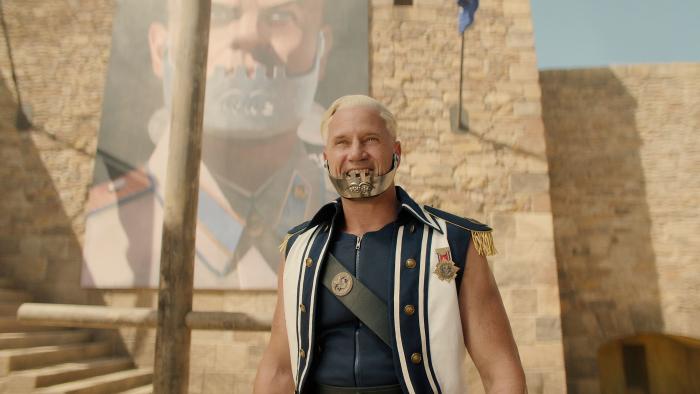
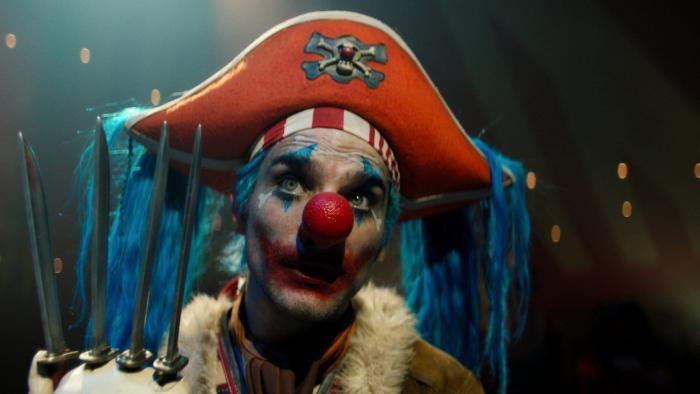
ONE PIECE follows Monkey D. Luffy (Iñaki Godoy), an energetic and passionate young pirate, whose one true goal is to find the One Piece treasure and become King of the Pirates. On his journey, he assembles the Straw Hat Pirates, a misfit crew of adventurers with mysterious pasts who soon discover that a life of friendship is more their speed than the lone wolf journeys they've been on. Fighting off oppressive marines, pirate-y villains, and Luffy's constant hunger, the Straw Hats seek their dreams while protecting anyone in need who crosses their path.
Is It Any Good?
This exciting adaptation of a cultural classic delights with its successful translation of an anime series into a live-action gem for both new and old fans. One Piece is able to take the silliness and exaggeration of action anime and turn it into a believable fantasy-at-sea. It makes the classic "It's all about friendship!" theme of most shonen shows actually heartwarming and authentic. It's fun, it's sincere, and it serves as an engaging introduction to the source material (a manga that started in 1997 and continues to publish chapters almost 30 years later).
One thing that helps is that the show takes diverse representation seriously. Many American-produced live-action anime adaptations have faced scrutiny for white-washing the characters. One Piece's diverse cast defies this trend, which makes the developing themes around racism, gender stereotypes, and systematic oppression all the more impactful.
Talk to Your Kids About ...
Families can talk about friendship and leadership. What is it about Luffy that makes other characters become his friends and want to join his crew? What does Luffy learn about the responsibility of leadership?
Luffy's mentor tells him that violence isn't always the answer, but the Straw Hat Pirates often find themselves in violent situations. How do characters in the show use violence to achieve their means? How do they find ways to avoid violence? How do their approaches to conflict influence how we might handle conflict in our own lives?
Families can talk about substance use. Why do characters drink alcohol? How does it affect them? What does a healthy relationship to alcohol and other substances look like?
TV Details
- Premiere date : August 31, 2023
- Cast : Inaki Godoy , Emily Rudd , Mackenyu
- Network : Netflix
- Genre : Action
- Topics : Adventures , Pirates
- TV rating :
- Award : Common Sense Selection
- Last updated : October 8, 2026
Did we miss something on diversity?
Research shows a connection between kids' healthy self-esteem and positive portrayals in media. That's why we've added a new "Diverse Representations" section to our reviews that will be rolling out on an ongoing basis. You can help us help kids by
Suggest an Update
Common Sense Media's unbiased ratings are created by expert reviewers and aren't influenced by the product's creators or by any of our funders, affiliates, or partners.
See how we rate