







Common Sense Media Review
 By Andrea Beach
,
based on child development research. How do we rate?
By Andrea Beach
,
based on child development research. How do we rate?
Resilient teens recover from rape in absorbing, heavy drama.
Parents Need to Know
Why Age 14+?
Any Positive Content?
Where to Read
Parent and Kid Reviews
What's the Story?
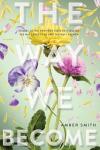
In THE WAY WE BECOME, it's been four years since older teens Amanda, Eden, and Gen were raped by the same man. At long last, he's going to be sentenced, but their need for justice means they'll have to be brave and strong enough to give impact statements at the hearing. And when they do, the criminal justice system lets them down anyway. Amanda can barely keep her focus on school as high-school graduation draws near. Gen has dropped out of college and taken to couch surfing, unable to make any forward progress. Eden is in a healthy relationship, and she wants to move forward, but she's feels like it's unfair to ask Josh to put up her in her wounded state. All three now have to figure out how to become who they're meant to be while living with fear and pain in a world that seems to expect them to move on, already.
Is It Any Good?
This absorbing, thoughtful, but heavy drama expands the story of trauma and recovery to include all three of Kevin's victims. Amanda, Eden, and Gen take turns narrating the events in The Way We Become, which gives readers the chance to explore grief, pain, trauma, recovery, justice, and more in three different ways. Like the first two books in the series, some parts are hard to read. There's a small warning on the copyright page about possibly distressing issues of rape, assault, and suicide. But author Amber Smith's strong writing skills will inspire teens to empathize with and root for the three young women as they struggle.
The narrators' voices aren't strongly distinct, and there's a large cast of characters to keep track of, so once you've flipped past the chapter title page that tells you who's speaking, it can be hard to remember who's talking now and what their circumstances are. Toward the end, a final act of violence reads almost like a Hollywood movie and doesn't match the tone of the rest of the book. Ultimately, though, it ends on a satisfying and hopeful note while providing a lot that's worth talking about with teens about things like rape, consent, criminal justice, healing, and more.
Talk to Your Kids About ...
Families can talk about the impact of rape in The Way We Become. How are Amanda, Eden, and Gen affected differently? Are there any impacts that are the same for all three? And what about for the perpetrator?
Amanda, Eden, and Gen all show courage and perseverance. How do these character traits help them as they cope with past trauma? Can you think of times you've used any of these in real life?
Why did Amanda try to commit suicide? Why did she think about it a second time? Have you, or anyone you know, ever gotten to the same point? What happened? Where can you get help if it does happen?
Book Details
- Author :
- Genre : Contemporary Fiction
- Character Strengths : Courage , Perseverance
- Book type : Fiction
- Publisher : Margaret K. McElderry
- Publication date : October 6, 2026
- Publisher's recommended age(s) : 14 - 18
- Number of pages : 384
- Available on : Nook, Audiobook (unabridged), Hardback, Apple Books, Kindle
- Last updated : October 7, 2026
Did we miss something on diversity?
Research shows a connection between kids' healthy self-esteem and positive portrayals in media. That's why we've added a new "Diverse Representations" section to our reviews that will be rolling out on an ongoing basis. You can help us help kids by
Suggest an Update
Common Sense Media's unbiased ratings are created by expert reviewers and aren't influenced by the product's creators or by any of our funders, affiliates, or partners.
See how we rate