







Common Sense Media Review
 By Kat Halstead
,
based on child development research. How do we rate?
By Kat Halstead
,
based on child development research. How do we rate?
Family movie has comedy and action, but racist overtones.
Parents Need to Know
Why Age 7+?
Any Positive Content?
Where to Watch
Videos and Photos


The Road to El Dorado
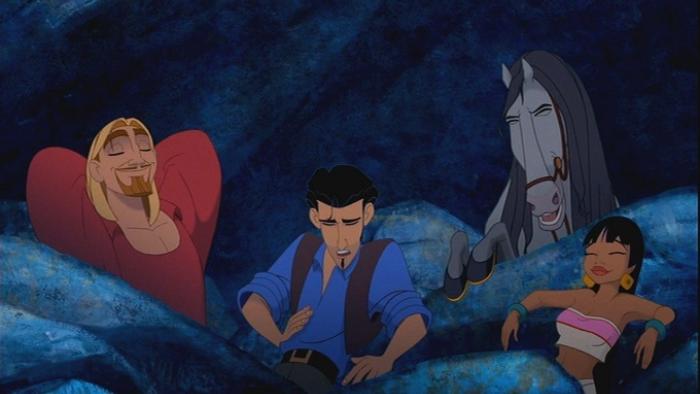
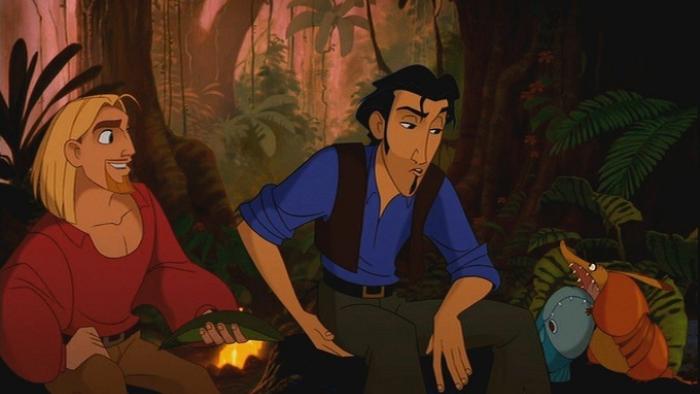
Parent and Kid Reviews
Based on 17 parent reviews
Parents say the movie is not suitable for children due to its suggestive humor, sexual innuendos, and portrayal of violence, which often detracts from its appeal. Although some appreciate the humor and animation quality, many criticize the lack of appropriate content for the intended audience and the absence of positive role models, prompting mixed reviews overall.
- inappropriate content
- suggestive humor
- mixed reviews
- poor role models
- quality animation
 Summarized with AI
Based on 66 kid reviews
Kids say this movie is a mix of really funny moments and inappropriate content, making it suitable mostly for older children or teens. While many praise its animation, humor, and themes of friendship, others express concern about its sexual innuendos, mild nudity, and potentially damaging portrayals of characters, ultimately suggesting that it's not appropriate for younger viewers.
- humorous storytelling
- mixed reviews
- inappropriate content
- better for teens
- strong visuals
Summarized with AI
What's the Story?
In THE ROAD TO EL DORADO, Spanish con men Miguel (voiced by Kenneth Branaugh) and Tulio (Kevin Kline) find themselves on the adventure of a lifetime when they win a map to the legendary city of El Dorado and accidentally set sail aboard the ship of Spanish conquistador Cortes (Jim Cummings) en route to "conquer the new world." On discovering the city, they're mistaken for gods by maniacal priest Tzekel-Kan (Armand Assante) and the friendly chief (Edward James Olmos), but with danger lurking from within the city and beyond the walls, can they keep up their charade long enough to steal the fabled gold?
Is It Any Good?
This movie has aged poorly. While Branaugh and Kline bring great energy and character to their voice roles here, and there are some stunning backdrops and plenty of action, there's no looking away from the film's determination to run headfirst into the White savior cliché. It's a shame, because the dialogue is smart, funny, and impeccably timed, and the two leads are gifted a sweet friendship arc, but The Road to El Dorado's racist portrayals of Indigenous people and rewriting of Spanish colonization in South America very much dims its sheen. Even the Elton John-Tim Rice score is underwhelming, and songs seem to go on forever -- none coming close to the glory of their Oscar-winning The Lion King standard. Kids will likely enjoy the fast-paced adventure and moments of silliness from likable characters, but parents may want to discuss some of the themes and darker implications along the way.
Talk to Your Kids About ...
Families can talk about how The Road to El Dorado compares with other animated adventures they've seen. How did you feel about the two main characters? Which moments stood out to you and why?
How do you feel about the film's depiction of the Indigenous population? Why is it important to be aware of how we portray groups and populations on-screen? Do you think it's more important when a film is based in history? Why, or why not?
Miguel and Tulio start off working as con men and also take advantage of the people of El Dorado. Do you think their characters grow during the movie? Do they learn anything about themselves or others?
Movie Details
- In theaters : March 31, 2000
- On DVD or streaming : December 12, 2000
- Cast : Kenneth Branagh , Kevin Kline , Rosie Perez
- Director : Eric Bibo Bergeron
- Studio : DreamWorks
- Genre : Family and Kids
- Topics : Adventures , Friendship
- Run time : 89 minutes
- MPAA rating :
- MPAA explanation : mild thematic material and language
- Last updated : October 1, 2025
Did we miss something on diversity?
Research shows a connection between kids' healthy self-esteem and positive portrayals in media. That's why we've added a new "Diverse Representations" section to our reviews that will be rolling out on an ongoing basis. You can help us help kids by
Suggest an Update
Common Sense Media's unbiased ratings are created by expert reviewers and aren't influenced by the product's creators or by any of our funders, affiliates, or partners.
See how we rate