







Common Sense Media Review
A thoughtful cartoon for kids to grow up on.
Parents Need to Know
Why Age 5+?
Any Positive Content?
Where to Watch
Videos and Photos


Arthur
Parent and Kid Reviews
Based on 58 parent reviews
Parents say that while the show is entertaining and educational, it can display some behavior that parents might not want their children to emulate, such as sarcasm and name-calling among characters. Despite these concerns, many appreciate it for teaching valuable lessons about kindness, empathy, and real-life social issues, making it a classic favorite for multiple generations.
- wholesome education
- relatable characters
- valuable life lessons
- conflict resolution
- mixed content
- appropriate for ages 5+
 Summarized with AI
Based on 131 kid reviews
Kids say this TV show is a beloved classic that offers essential life lessons and relatable stories for children while tackling some serious topics in a kid-friendly way. Many reviews highlight its educational value, positive role models, and memorable characters, though some note concerns about content that might be too heavy for younger viewers.
- educational value
- positive role models
- relatable characters
- childhood nostalgia
- serious topics
Summarized with AI
What's the Story?
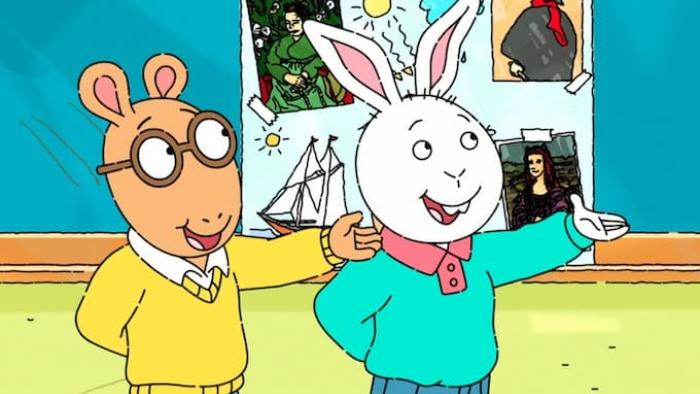
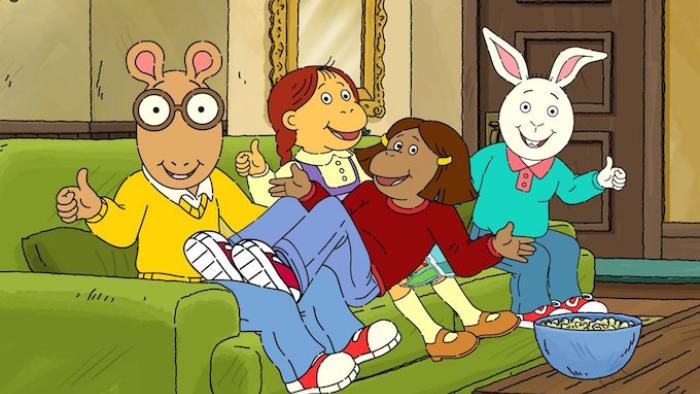
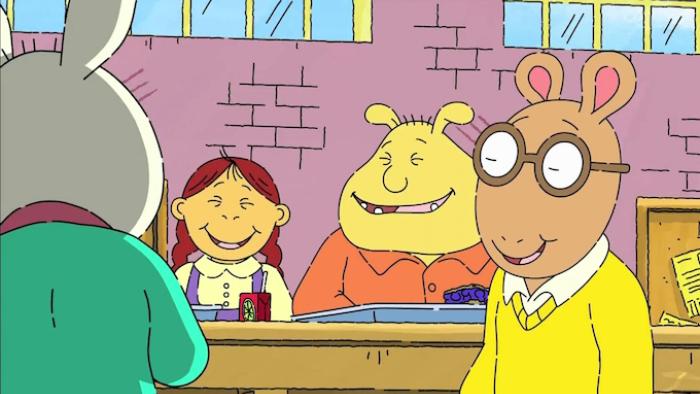
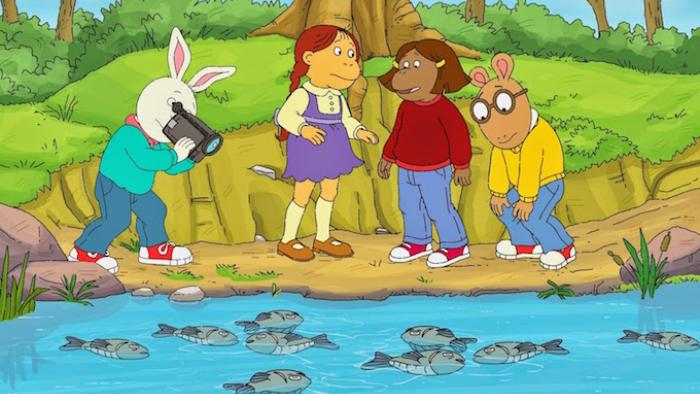
The 8-year-old title character of the animated series ARTHUR is a sweet, curious kid with more than his share of self-consciousness. He shares insecurities, adventures, and the spotlight with a varied cast of friends and family members. Although technically Arthur is an aardvark and his friends are other kinds of animals, they act just like real people. Based on the book series by Marc Brown, Arthur premiered in 1996 and is a recipient of the George Foster Peabody Award and multiple Daytime Emmy Awards for Outstanding Children's Animated Program.
Is It Any Good?
Just as Arthur is a smart boy with lots of playful energy, the show is both educational and lighthearted, weaving themes in so well that they seem to result from -- rather than instigate -- the story. Viewers of Arthur will find demonstrations of solving problems creatively, appreciating differences, and other lessons on display. Situations resolve creatively rather than predictably. In one episode, for example, Arthur's smart friend, Brain, refuses to go to a birthday party at a water park, and the kids get mad and accuse him of being stuck up. Arthur is torn between sticking by his friend and sticking with the group. Rather than choosing sides, he investigates and figures out that Brain has a fear of water. Brain doesn't get over his fear of water -- instead, the episode helps viewers see that it's okay to be afraid of something and admit to your fears.
Talk to Your Kids About ...
Families can talk about sibling struggles in Arthur. How can brothers and sisters work out their differences? Do Arthur and DW have a good relationship? How is it like your kids' relationship with their siblings? How is it different?
What are some of the lessons that Arthur learns in the show? Does he handle them in a realistic way?
How do the characters in Arthur demonstrate gratitude and integrity? Why are these important character strengths?
If you love this show, try listening to the podcast: The Arthur Podcast
TV Details
- Premiere date : September 2, 1996
- Cast : Cameron Ansell , Daniel Brochu , Michael Yarmush
- Network : PBS
- Genre : Kids' Animation
- Topics : Book Characters , Friendship
- Character Strengths : Gratitude , Integrity
- TV rating :
- Last updated : December 11, 2025
Did we miss something on diversity?
Research shows a connection between kids' healthy self-esteem and positive portrayals in media. That's why we've added a new "Diverse Representations" section to our reviews that will be rolling out on an ongoing basis. You can help us help kids by
Suggest an Update
Common Sense Media's unbiased ratings are created by expert reviewers and aren't influenced by the product's creators or by any of our funders, affiliates, or partners.
See how we rate