







Common Sense Media Review
 By Ellen Dendy
,
based on child development research. How do we rate?
By Ellen Dendy
,
based on child development research. How do we rate?
Stellar science series expands curious minds.
Parents Need to Know
Why Age 10+?
Any Positive Content?
Where to Watch
Videos and Photos


NOVA
What's the Story?
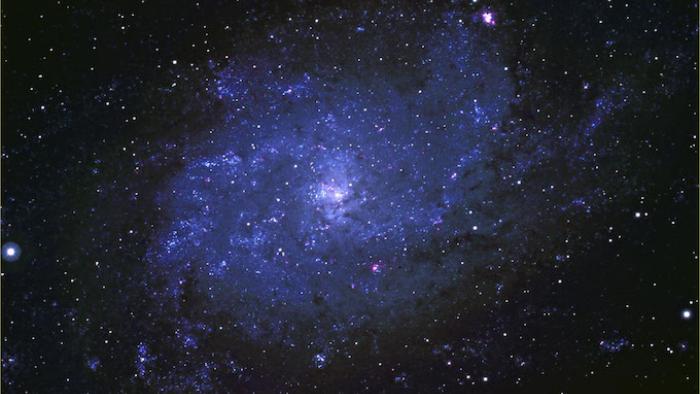
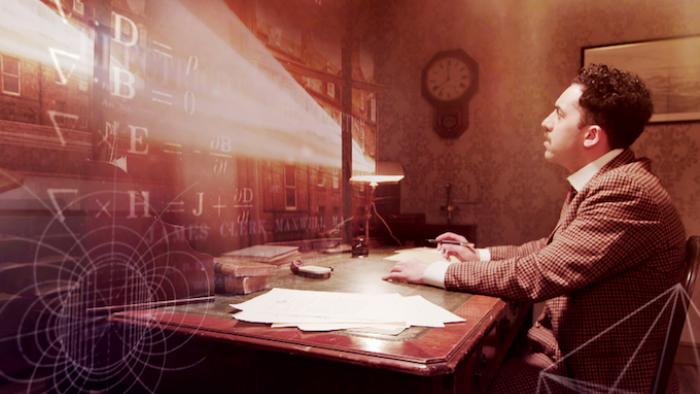
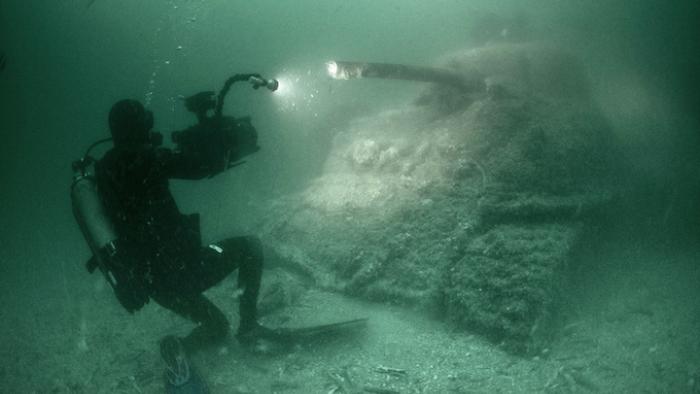
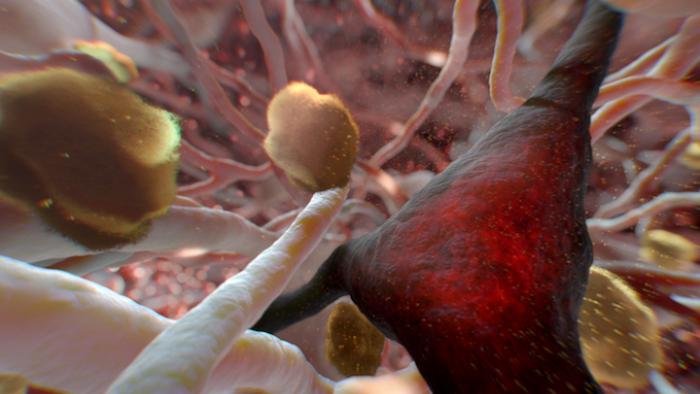
First airing in 1974, PBS's NOVA is the highest-rated science program on TV and has won dozens of awards, including multiple Emmy, Peabody, and Westinghouse Science Journalism honors. The series takes a documentary-style approach to its topics -- each episode exposes and explores many layers of the subject at hand, with an emphasis on the human factor. Episodes cover everything from global warming to a mysterious, modern-day Turkish family that walks on all fours. One program may delve into the mysteries of the ancient Mayans, while another reveals advances in finding a cure for cancer. The approach is always scientific, and most episodes also offer lessons in history, current events, culture, and other scholarly data.
Is It Any Good?
This series strives to present complex scientific concepts in easy-to-understand terms and is a great educational tool for teens and tweens. Younger kids can also get a lot from the show if they're able to pay attention, but parents may end up fielding some serious science questions from curious little ones who aren't able to grasp every detail. The show's subject material is wide-ranging and can include controversial topics like human cloning and sexuality, so parents may want to watch along with their kids, or pre-approve episodes on an individual basis. What makes NOVA such a stand-out series is that it really digs into the topic at hand, leaving no stone unturned as it seeks to reveal the human side of its scientific subjects. It's this thorough, investigative approach that makes NOVA such a great learning tool for families.
Talk to Your Kids About ...
Families can talk about how a topic on NOVA relates to their own lives, the lives of people they know, and the world at large.
Parents and kids can conduct further research to learn more and to find answers to questions that arose while watching the show. For example, after viewing the episode "Monsters of the Milky Way," families may want to discuss string theory and how it relates to tiny black holes. How can "interference patterns" help prove the existence of tiny black holes? If tiny black holes do indeed exist within our solar system, how might they affect space travel, and even our daily lives? PBS's online teacher's guides provide additional discussion topics.
How does NOVA promote curiosity? Why is this an important character strength?
TV Details
- Premiere date : March 3, 1974
- Cast : Calvin Sims , Carla Wohl , Chad Cohen
- Network : PBS
- Genre : Educational
- Topics : STEM
- Character Strengths : Curiosity
- TV rating :
- Last updated : July 9, 2026
Did we miss something on diversity?
Research shows a connection between kids' healthy self-esteem and positive portrayals in media. That's why we've added a new "Diverse Representations" section to our reviews that will be rolling out on an ongoing basis. You can help us help kids by
Suggest an Update
Common Sense Media's unbiased ratings are created by expert reviewers and aren't influenced by the product's creators or by any of our funders, affiliates, or partners.
See how we rate