







Common Sense Media Review
 By Emily Ashby
,
based on child development research. How do we rate?
By Emily Ashby
,
based on child development research. How do we rate?
Edgy, frenetic animated comedy highlights friendship, fun.
Parents Need to Know
Why Age 6+?
Any Positive Content?
Where to Watch
Videos and Photos


SpongeBob SquarePants
Parent and Kid Reviews
Based on 223 parent reviews
Parents say the show has evolved over the years, with many reviewers expressing disappointment in more recent episodes while praising the earlier seasons for their creativity and humor. Nonetheless, it remains a beloved series for many, highlighting its appeal to both children and adults through a mix of slapstick comedy and relatable characters, though some caution that certain themes may not be suitable for younger viewers.
- nostalgic childhood classic
- humor for all ages
- mixed reviews on evolution
- suitable with guidance
- notable character dynamics
 Summarized with AI
Based on 909 kid reviews
Kids say the show is a beloved animated classic that offers a mix of silly humor, imaginative storytelling, and some moral lessons, making it enjoyable for both children and adults. However, opinions vary regarding its appropriateness for younger viewers, as some highlight concerns about mild violence, name-calling, and occasional adult humor, while others defend its positive messages and enduring charm.
- humor for all ages
- imaginative storytelling
- concerns about content
- positive messages
- classic animated show
Summarized with AI
What's the Story?
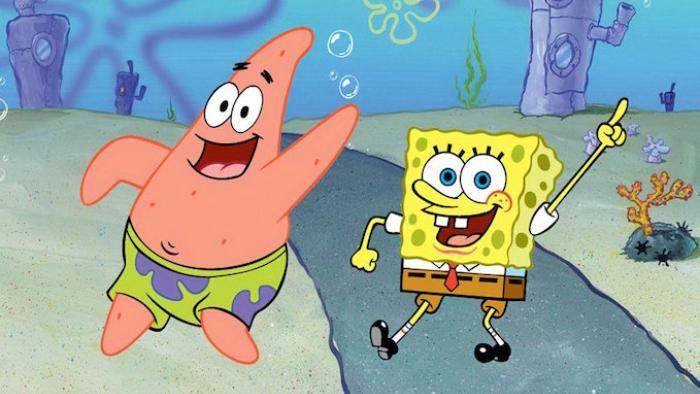
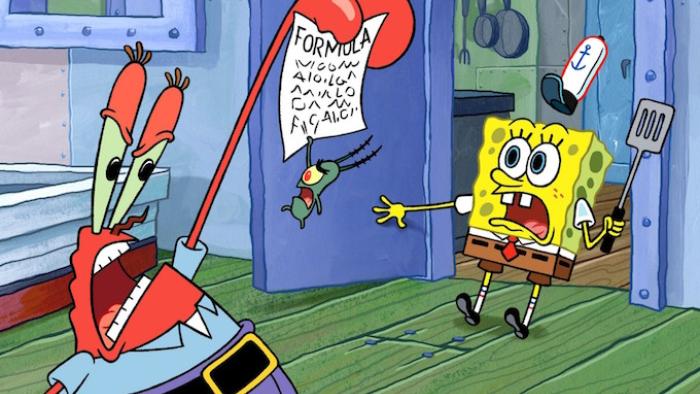
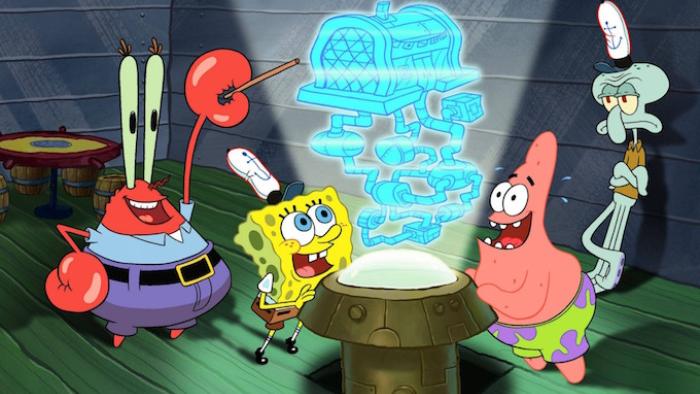
SPONGEBOB SQUAREPANTS (voiced by Tom Kenny) lives in Bikini Bottom on the floor of the Pacific Ocean. He works as a fry cook at the Krusty Krab restaurant and spends his down time with those he considers his two best buddies: a silly but lovable sea star named Patrick (Bill Fagerbakke), who returns SpongeBob's friendship, and a grouchy, six-tentacled octopus named Squidward (Rodger Bumpass), who doesn't. SpongeBob and Patrick embark on self-misguided adventures that always land them in some sort of absurd situation, but their spirits are never dampened by their off-the-wall predicaments. Nor are they ever put off by the constant ridicule and disdain they encounter from Squidward, who tries to steer clear of their antics but often finds himself in the middle of their messes as they try relentlessly to win his friendship.
Is It Any Good?
This popular, enduring show is sweet, well-intentioned, and full of zany humor and silly scenes that will appeal to many viewers. SpongeBob SquarePants also offers plenty of positive messages about friendship, hard work, and loyalty. SpongeBob himself is yellow, porous, perpetually happy, and one of the sea's most famous residents. Since the cheery fellow's debut in 1999, this cartoon series has earned a spot at the top of Nickelodeon's ratings chart and maintains a huge fan following that includes kids and adults alike.
But some aspects of SpongeBob SquarePants will leave parents wanting to preview the series before letting their kids watch. Characters often speak sarcastically and act rudely—and, unlike in real life, no one seems bothered by the mean-spirited things that are said. What's more, situations are often resolved with slapstick violence, and the frequent songs sometimes touch on iffy subject matter such as bombs and making fun of people. Parents also might be put off by SpongeBob's often annoying personality and his tendency to take jokes too far, and the fast pace might not be suitable for younger kids, but the messages of friendship always shine through the silliness.
Talk to Your Kids About ...
Families can talk about friendship in SpongeBob SquarePants. Which characters are good friends? How do they show they care about one another? What do you do to show your friends you like them?
How does the show reflect real marine life? What type of creature is each character? How do their depictions differ from their real-life versions? Does the show make you want to learn more about marine life?
How do the characters in SpongeBob SquarePants demonstrate gratitude, teamwork, and perseverance? Why are these important character strengths?
TV Details
- Premiere date : May 1, 1999
- Cast : Bill Fagerbakke , Rodger Bumpass , Tom Kenny
- Networks : Nickelodeon , Nicktoons
- Genre : Kids' Animation
- Topics : Adventures , Animals ( Ocean Creatures ) , Friendship
- Character Strengths : Gratitude , Perseverance , Teamwork
- TV rating :
- Awards : BAFTA - BAFTA Nominee , Emmy - Emmy Award Winner , Emmy - Emmy Award Nominee , Kids' Choice Award
- Last updated : March 13, 2026
Did we miss something on diversity?
Research shows a connection between kids' healthy self-esteem and positive portrayals in media. That's why we've added a new "Diverse Representations" section to our reviews that will be rolling out on an ongoing basis. You can help us help kids by
Suggest an Update
Common Sense Media's unbiased ratings are created by expert reviewers and aren't influenced by the product's creators or by any of our funders, affiliates, or partners.
See how we rate